Tim Frodsham. 13 April, 2025
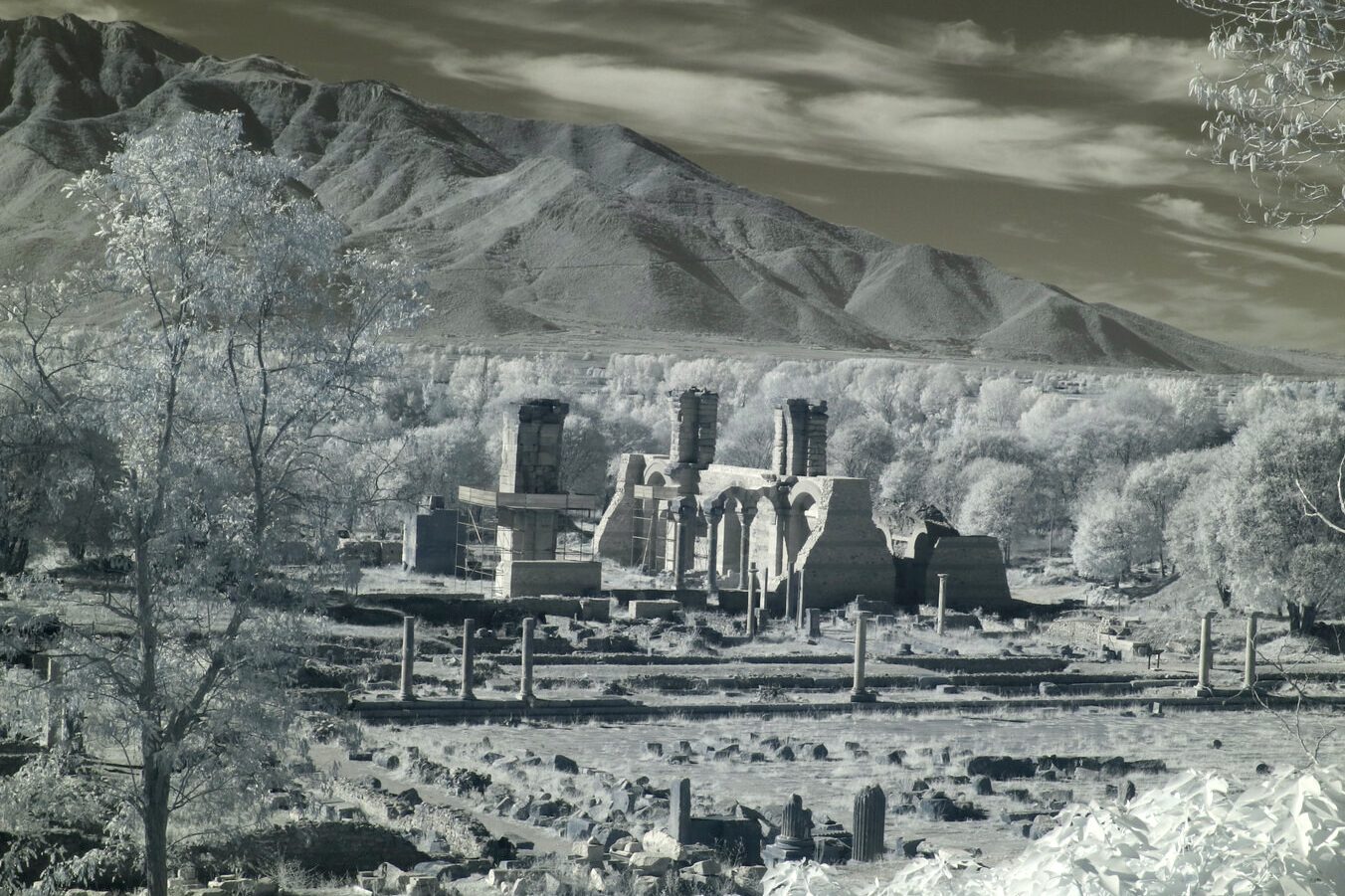
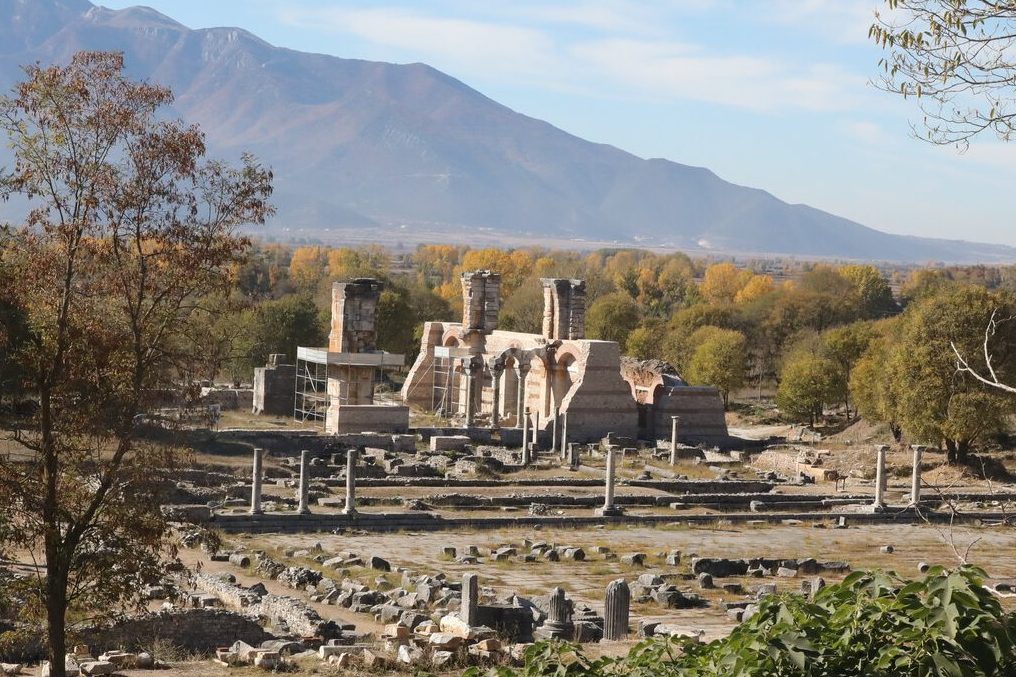
On a humanitarian trip to the city of Serres we visited a community center associated with a refugee camp on the outskirts of town. We decided to take a small detour on the way home and visit the ancient city of Philippi. The Apostle Paul preached to the Philippians and was imprisoned there for a time. Most scholars agree that the Paul’s letter to the Philippians in the New Testament is authentic, but is most likely a composite of fragments of letters he wrote to the saints there.
King Phillip II conquered the city in 356 BC and named the city after himself. Gold discovered nearby enriched the city, and Phillip II established a mint there.
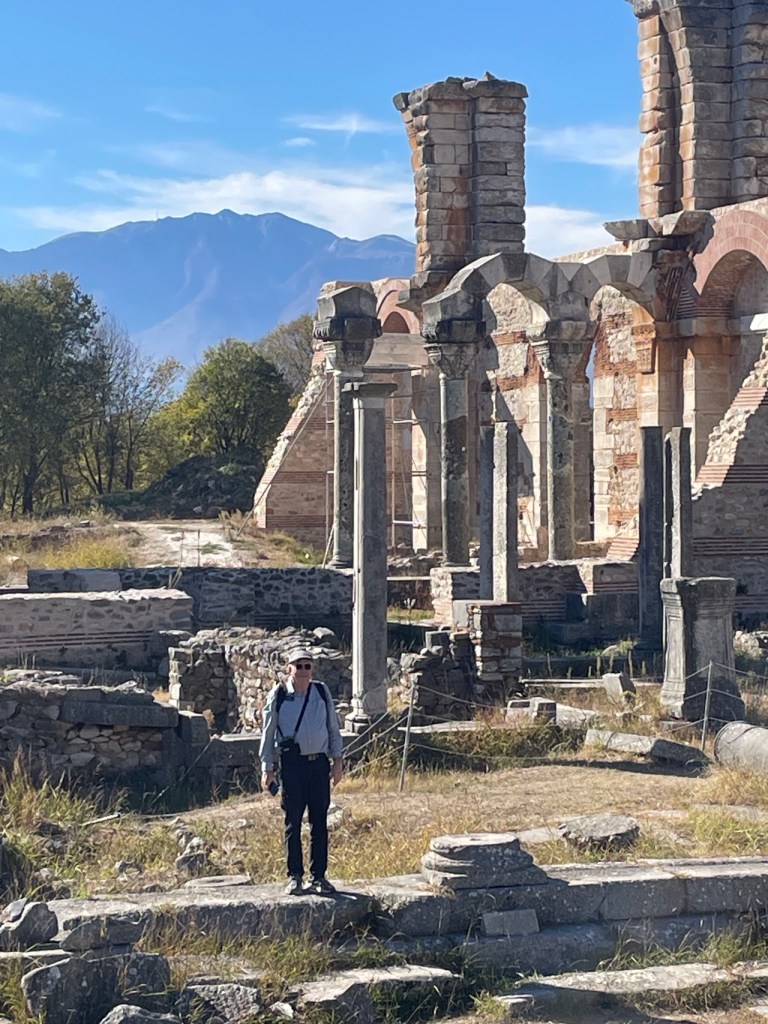
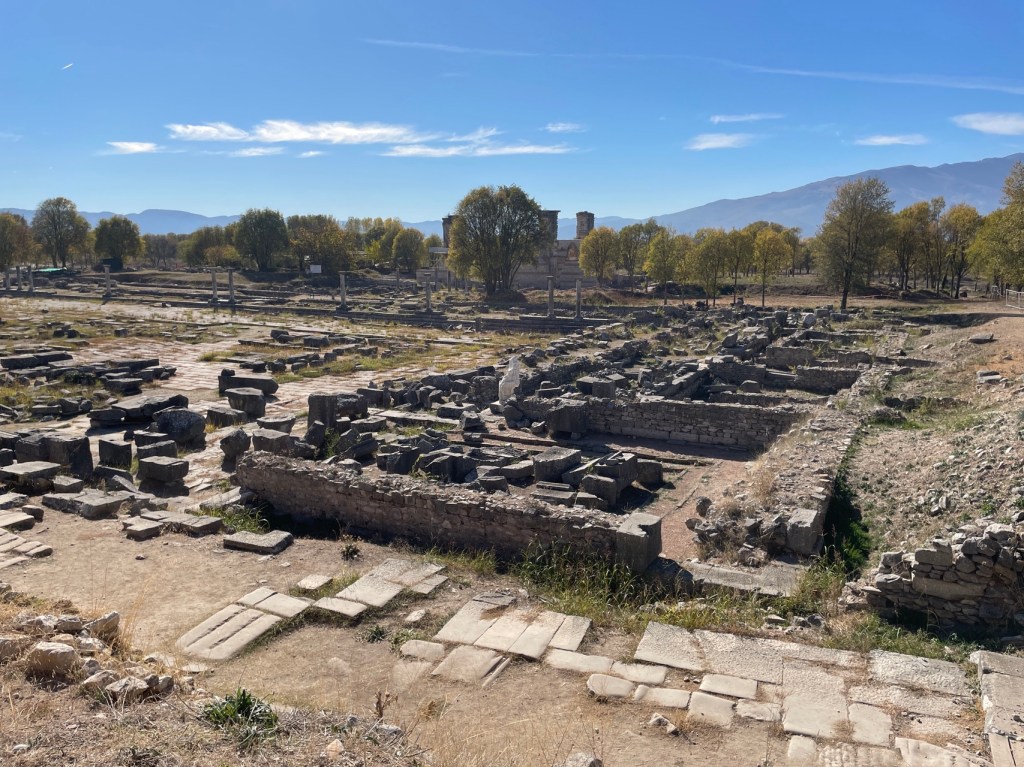
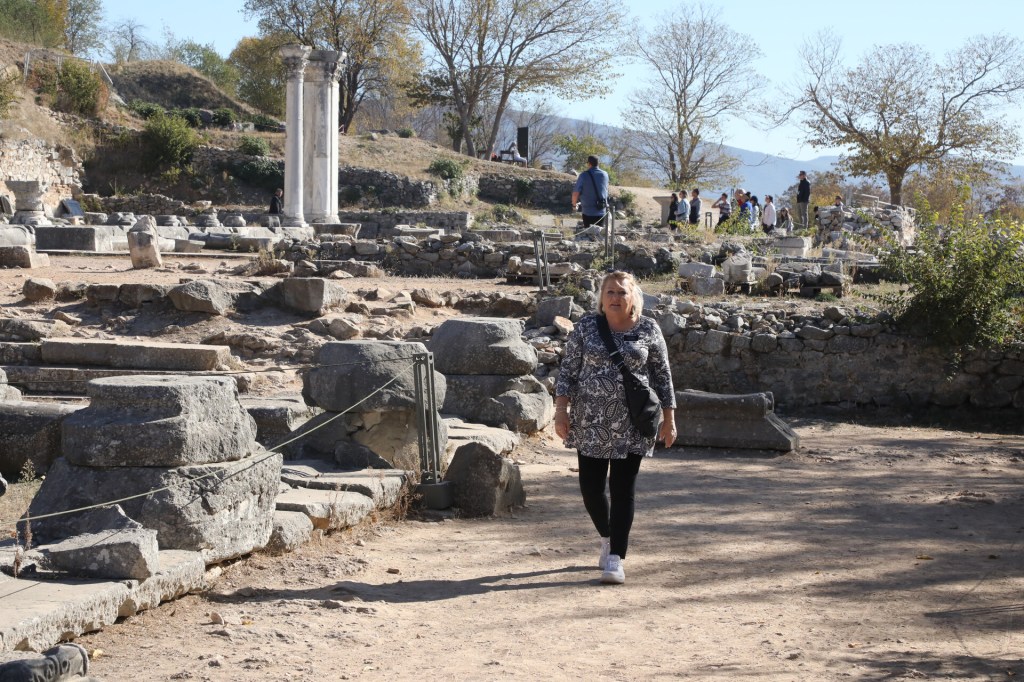
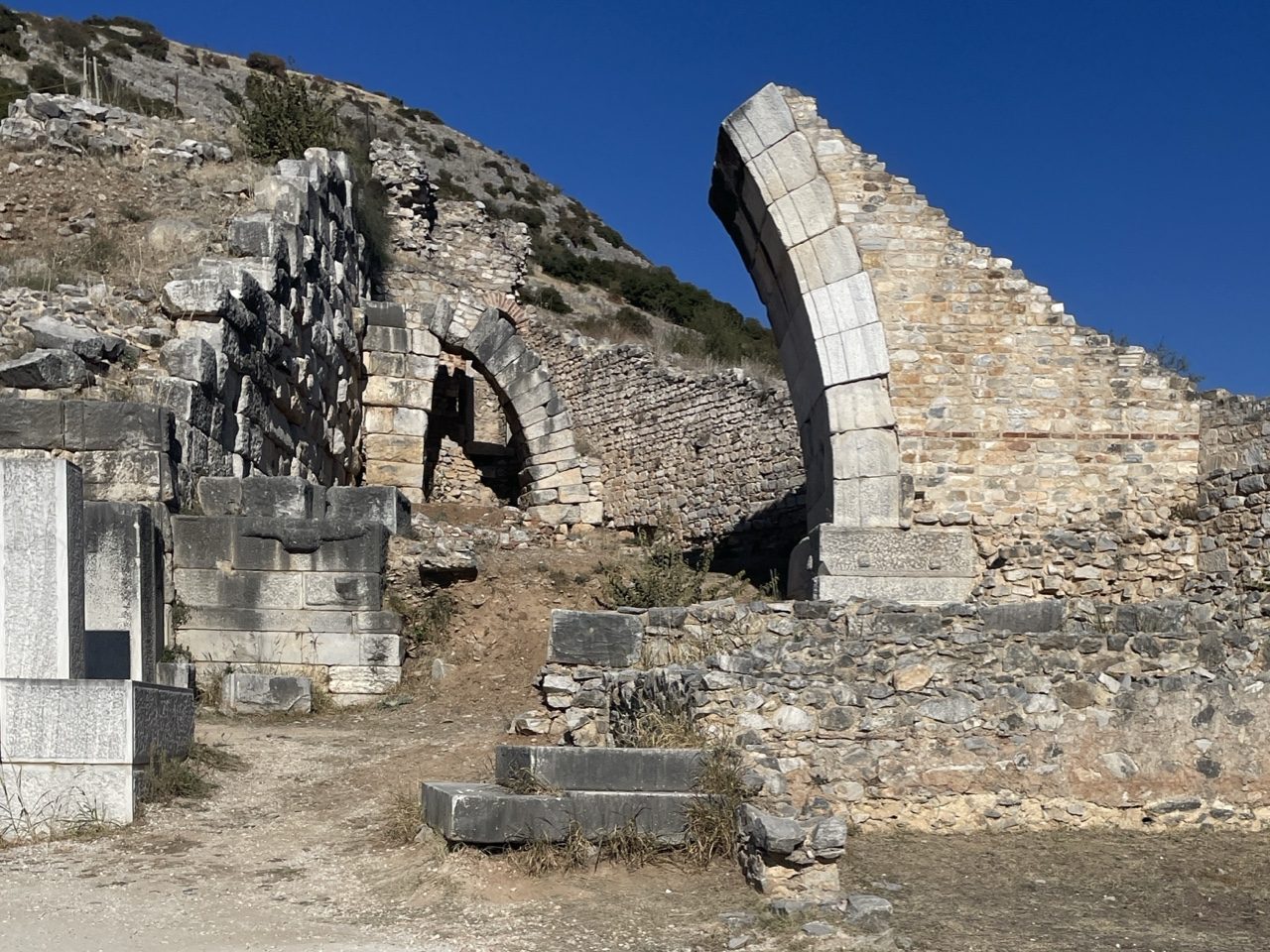
We spent a few hours walking through the ruins of Philippi, enjoying what some of our more outspoken young missionaries refer to as “another pile of dead rocks”. That may be. After a while, the “piles” of Greek and Roman ruins do seem to blend together.
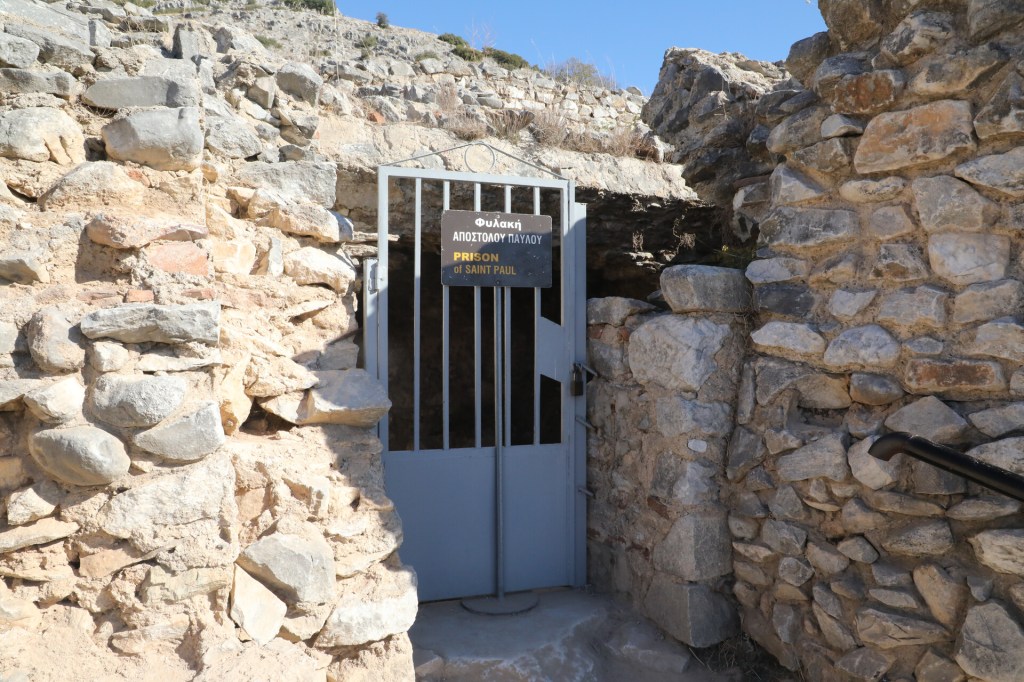
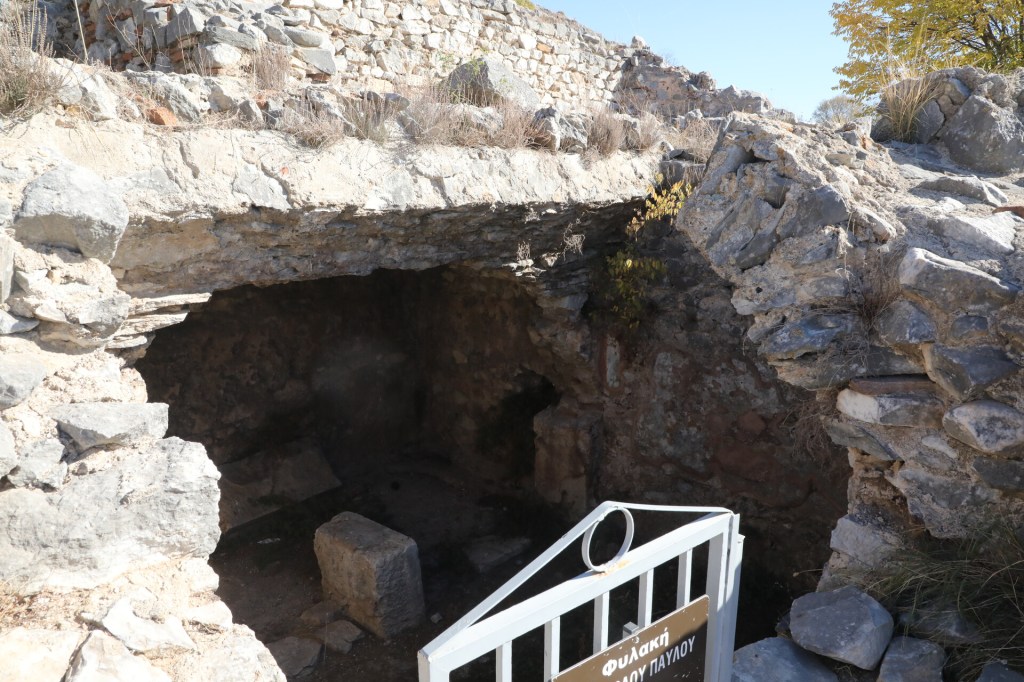
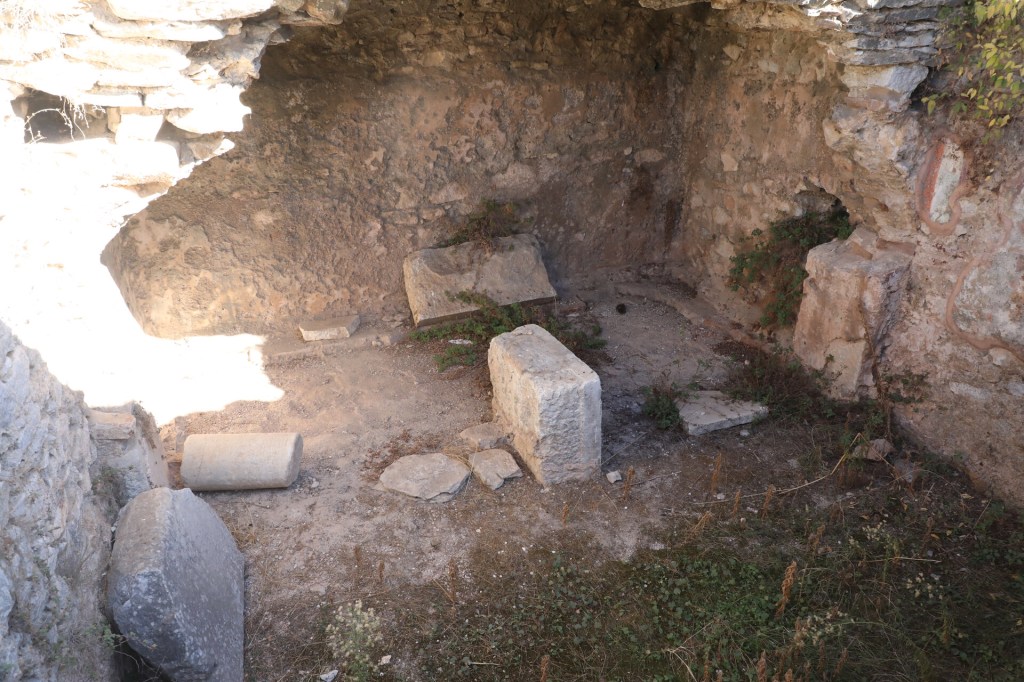
In younger days, I took my family on a 5 week tour of historical sights of the modern church in the U.S.A. I have walked the streets of Old Jerusalem, tracing the footprints of Jesus. Now, walking the deserted streets of Philippi, I felt that same spirit of sacrifice and testimony. We gazed into the jail where Paul was purportedly imprisoned, where he crouched in the dungeon like cell and wrote encouragement to the saints.
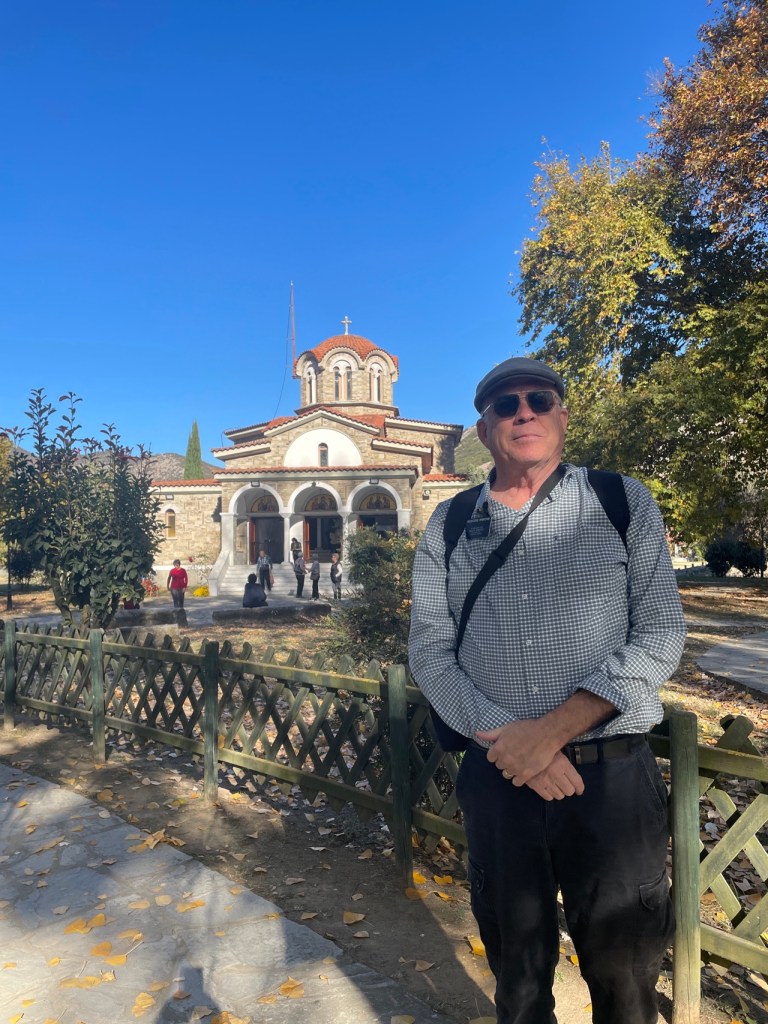
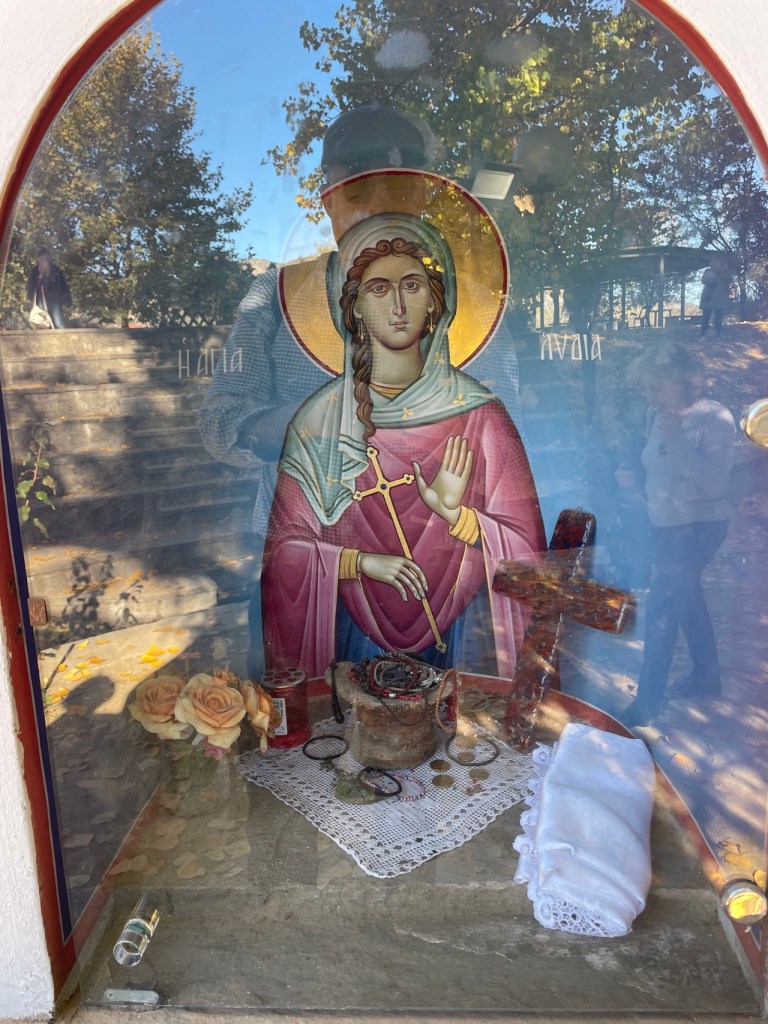
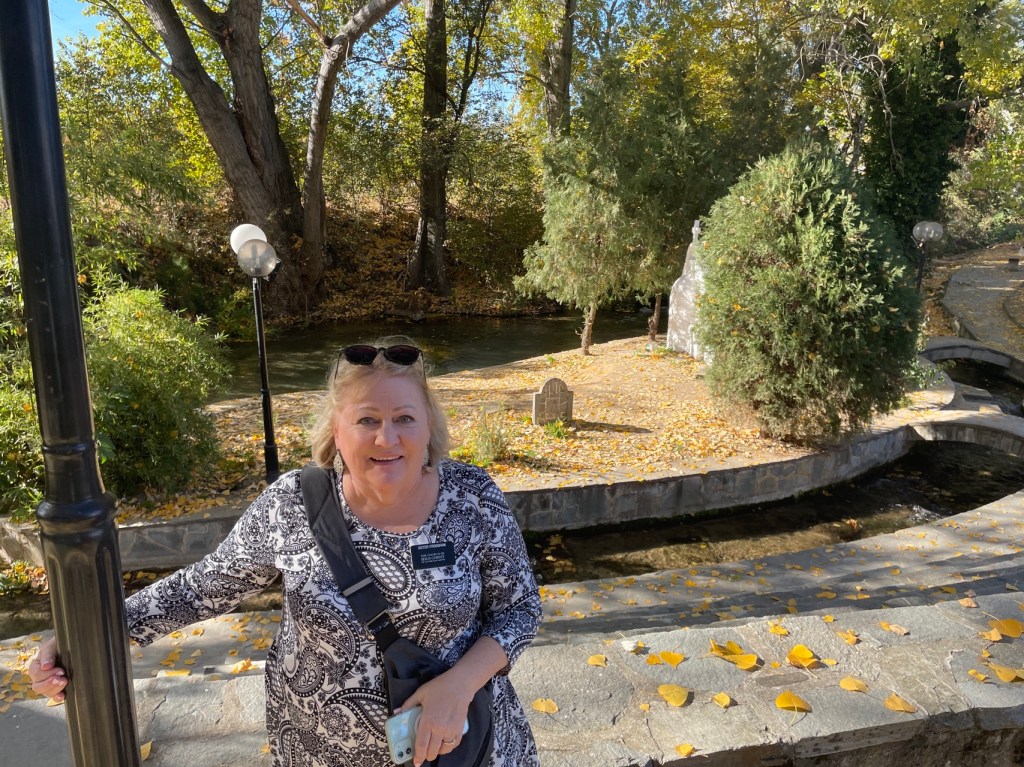
After the city of Philippi, we drove to the traditional site of Lydia’s baptism. She is thought to be the first convert to Christianity in Europe (Acts 16:14,15). She listened to the preaching of Paul and was converted along with her household The traditional site of her baptism is a quiet, peaceful stream surrounded by rather rugged, dry, hill country.
We have our own unique challenges in these the last days, but we have a common bond with all generations of believers. From the time of Adam, the adversary has plagued all generations. From slaying Abel, the persecution and death of prophets throughout Jewish history, the crucifixion of Christ and the martyrdom of his apostles, the sacrifices of the reformists to the death of Joseph Smith. We don’t worship the sites of early Christian struggles, but learning the history of Christianity gives us history and perspective into our own spiritual journey.
 Latter-Day Saints