
We are learning not only the Welfare Self-Reliance programs that the church offers to the world, but also how the French people understand and accept these programs. The pace of the French in society and in the church is different. Not better or worse, just different. We love how our ward ends Sacrament meeting. After the closing prayer, everyone remains in their seats for several minutes. No one talks, we just sit in reverent silence. Once the bishop gets up, everyone gets up and begins to socialize. It may take 10 to 20 minutes before people move from the chapel to their respective meetings. After church, the saints linger and talk. One Sabbath, an hour after church, people were still chatting.

In a recent Area devotional, the Area manager spoke about the expanding work in Central Europe. One of their desires is to cultivate native workers in the Area office and native missionaries; both senior couples and young missionaries in the field. It reminded me of a discourse given by President Kimball on how missionary work would spread throughout the world. Countries that depend on American missionaries would become self-sufficient and in turn, export missionaries to others. That is the goal of the European people. Local missionaries to fulfill their needs and an excess to export to other countries. Right now, many French missionaries are sent to the US. Some stay or return to the US because of the opportunities here. The saints and the leadership of the church here in Europe want to open opportunities for their missionaries as incentive to stay.
Catherine and I discussed this after the devotional and concluded that saints from the US look at the French culture through the lens of our own culture and experience. We remembered a conversation with a Senior couple in the Area office while we were there for training. They were rather upset at an affiliate organization that had received humanitarian funds from the church. Rather than using them as agreed, they gave them to another organization in country and then publicly took credit for the donation. The funds were not necessarily misused, but credit was not given as we would expect in our US culture.

A big question we ask ourselves is if the work we are doing here is sustainable. Are we just blowing hard on the coals? As soon as we leave, will the fire die back down? We have seen couples so excited about pushing the work forward that they push local WSR specialists out of the way in order to do it ‘the right way’. The work glows brightly for a while, but when they leave, the local saints called to this work are not prepared to take over. Our goal is to build a strong, sustainable source of heat and light by training, and more important, sustaining the local leadership in the responsibilities to which they were called. President Kimball delivered a landmark discourse in 1974 on how the world will be converted. In that discourse, he quoted a discourse by Brigham Young in the April, 1852 General Conference:
“This kingdom will continue to increase and to grow, to spread and to prosper more and more. Every time its enemies undertake to overthrow it, it will become more extensive and powerful; instead of decreasing it will continue to increase; it will spread the more, become more wonderful and conspicuous to the nations, until it fills the whole earth.” We are moved to be a part of that work.

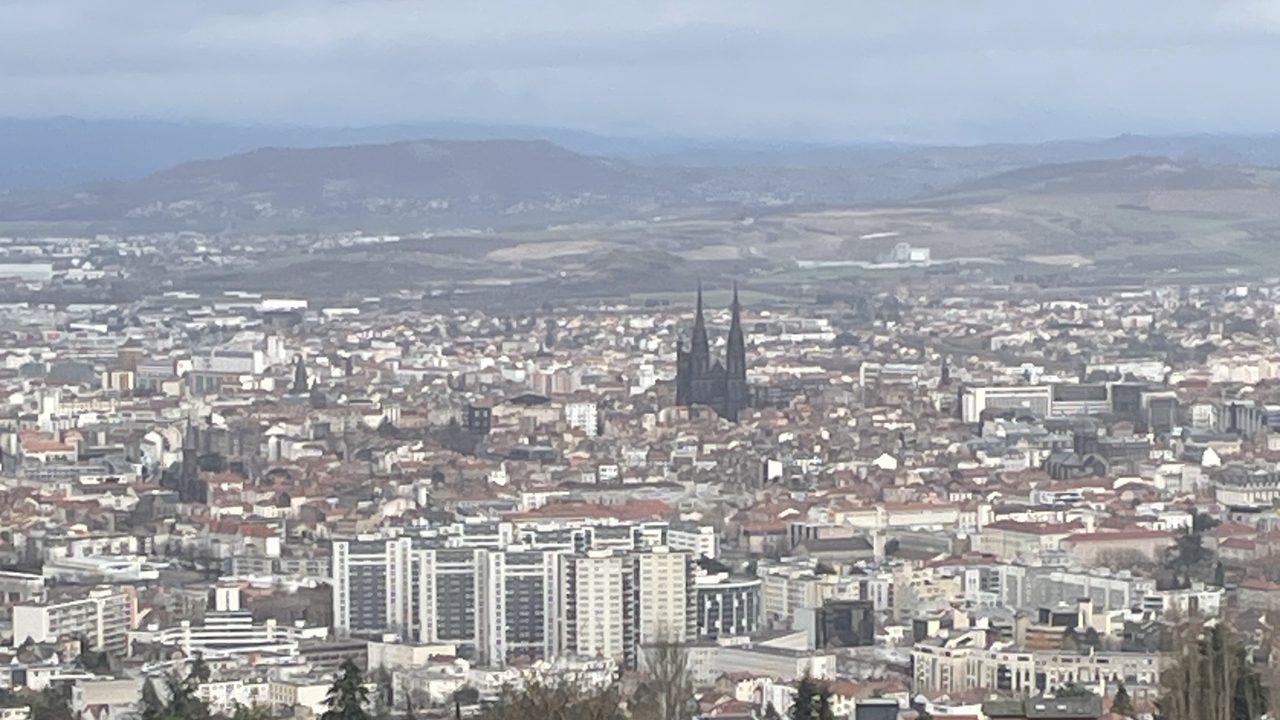
We recently met with a couple in Clermont Ferrand, called as Welfare Self-Reliance specialists for their stake. I watched with awe as Catherine embraced these fine people, both figuratively and literally. She adores and is adored by all she meets. Catherine speaks little French, and the sister spoke little English, but they instantly became lifelong friends and communicated in ways far beyond mere spoken language. Catherine worries about how little of the French language she commands, but she communicates far beyond anything I can do. This couple is excited about the work and have a testimony of the Church’s Self-Reliance programs. Catherine and I pray continually for the inspiration and revelation necessary to sustain them.
It is a joy for us to work as WSR (Welfare, Self-Reliance) missionaries. the MLS (Member Leader Support) missionaries in our mission have somewhat well-defined responsibilities, particularly those that work in the office. Our job is nebulous. We are left to figure out what we should do and how to do it. We would enjoy the more defined MLS responsibilities if that were our call, but we are embracing the lack of definition in our current callings. We find opportunities to learn and to serve wherever we can.

We are learning how the church works with the French government. It is not better or worse, just different. An integral part of the French Revolutions was throwing off the suppressive yoke of the Catholic church. I don’t know enough about French history to make any kind of judgement here, but that is certainly the perception of the French people. Because of this, as a culture, they are very suspicious of religious organizations. The church understands not to fight it, but to work with it. For example, EnglishConnect classes can be taught in some church buildings but not in others. It seems arbitrary, but it depends on ownership of the buildings. The church cannot directly own buildings in France, not even the temple. They are owned by subsidiary or affiliate organizations. The way the church owns each building dictates if EnglishConnect classes are seen as competition with local public universities. Some buildings in our Stake can host EnglishConnect classes, some cannot. We work with that. Where we cannot hold physical classes, we do so online.

While serving here in France, we are re-learning how to pray. I was reminded recently of a discourse on Prayers of Gratitude. Sometimes our prayers turn into a list of “monotonous pleadings”. Rather than a long list of requests for our work and our families, even though these requests may have the best of intentions, we have been offering prayers of gratitude for all the blessings poured out on us. We thank the Lord for his help as he blesses us the way he blessed the People of Alma. He did not remove their burdens, but he made them light. In the coming weeks and months, I will try to describe the answers to our prayers, most particularly our prayers of gratitude for the support He gives our families while we are in His service.






 Latter-Day Saints