Tim Frodsham, 11 December 2024
Back in the days of wood burning cell phones, I took a first aid class from the Red Cross. One of the subjects we covered was approaching emergency situations such as a car wreck or earthquake. The first step arriving on scene is assessment. Whose needs are the most critical? The answer is not the ones who are screaming. Their hearts are pumping and obviously, their lungs work just fine. Their situation may be serious, but they are alive, and at least for a time, they can wait. The ones whose needs are the most serious are the quiet ones, the ones who are silent and still. Their heart may have stopped or they may not be breathing. These are the ones for whom seconds may count, the ones whose needs are most dire.

In Greece, we have a perfect storm of refugee and homeless needs. Most refugees arrive in Greece on flimsy boats or rafts, coming from Turkey or Africa. The branch president of Thessaloniki described the journey of a recent arrival to several of the migrants who attend the branch and was surprised at the minimal response he received. It turns out that most of them had arrived on Greek shores via boat as well. One of the members attempted the boat crossing 20 times before he was successful. Incredible stories of persistence and faith reside right in his little branch.
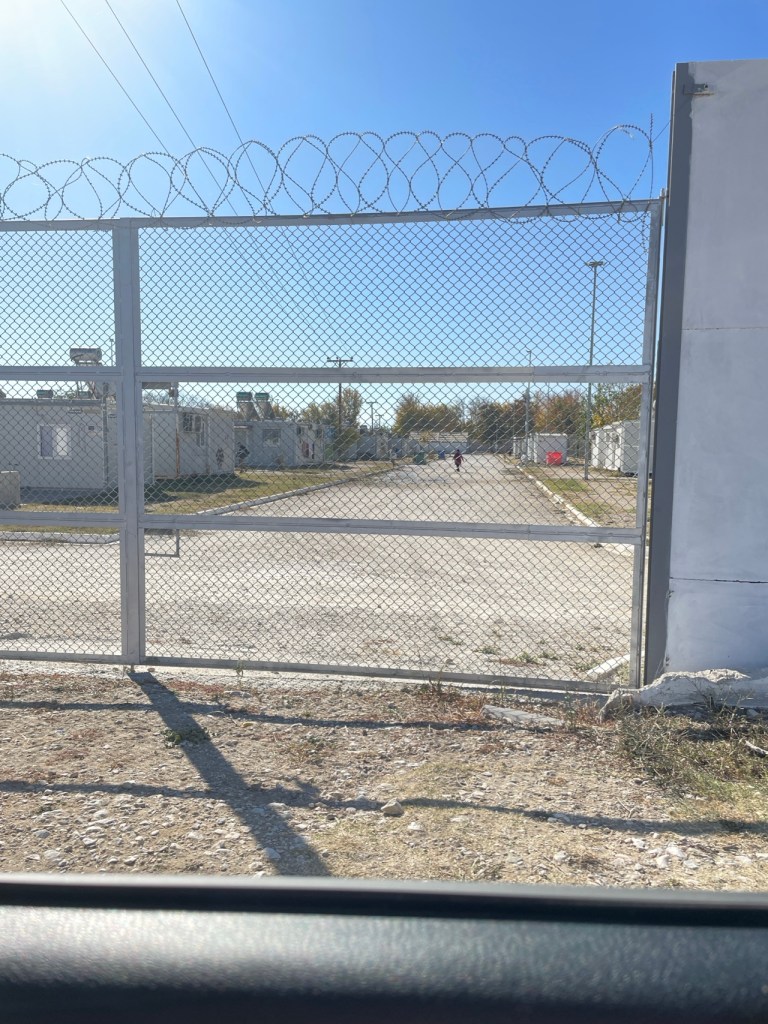
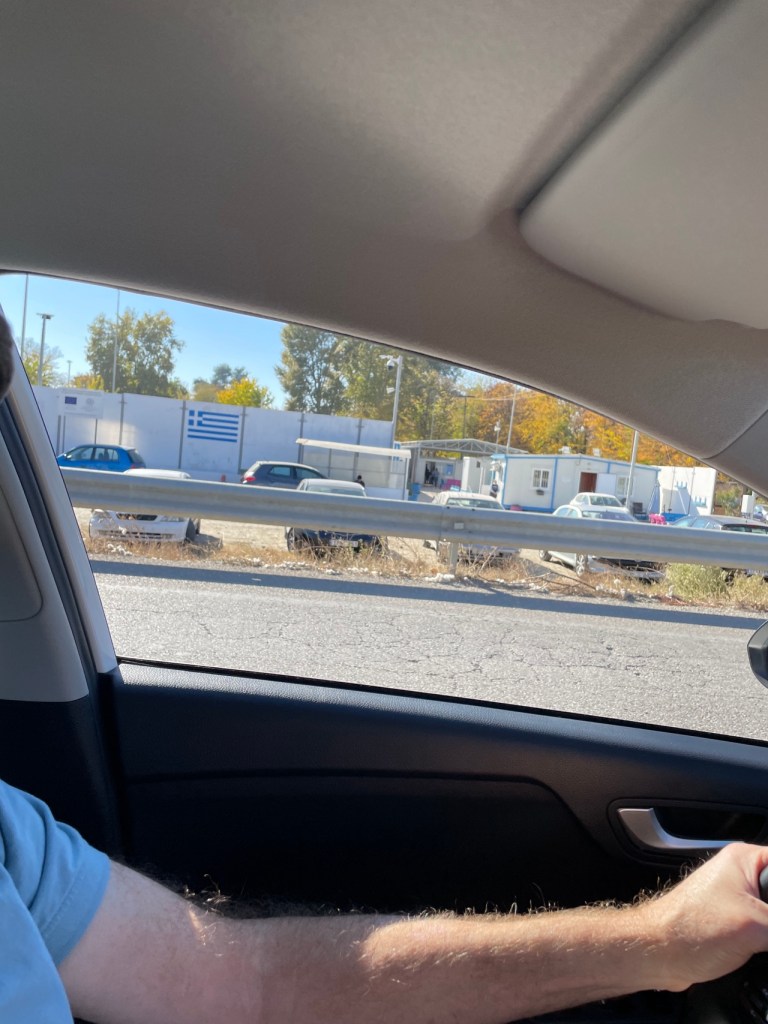

Refugee Camp outside Serres, Greece
The Greek government ministries are attempting to handle a surge of migrants on budgets that were fixed years ago. We hear much about the situation of Migrants in Athens where we live. We are a metro ride from many of these organizations and visit them often. Thousands are in need of even the basics, food and clothing, and the shouts are continuous about their predicament.
The needs of Migrants in the refugee camps are even more desperate, particularly those on the Greek Islands. They lack the most basic necessities such as blankets and sheets, and winter is here. Scabies and other skin diseases are rampant through the camps. From the islands, we here stories of refugees, including women and children, sheltering in cardboard boxes during the rain. Funding is just not there, and the tiny populations of these islands cannot cope with the surge. The number of unaccompanied children arriving in Greece is also on the rise. Most come on their own, but some lost parents on the ocean crossing to Greece. These are the silent ones. Their plight is every bit as bad as a hurricane or earthquake survivor, but they don’t show up on the evening news. Due to their isolation, they are invisible.

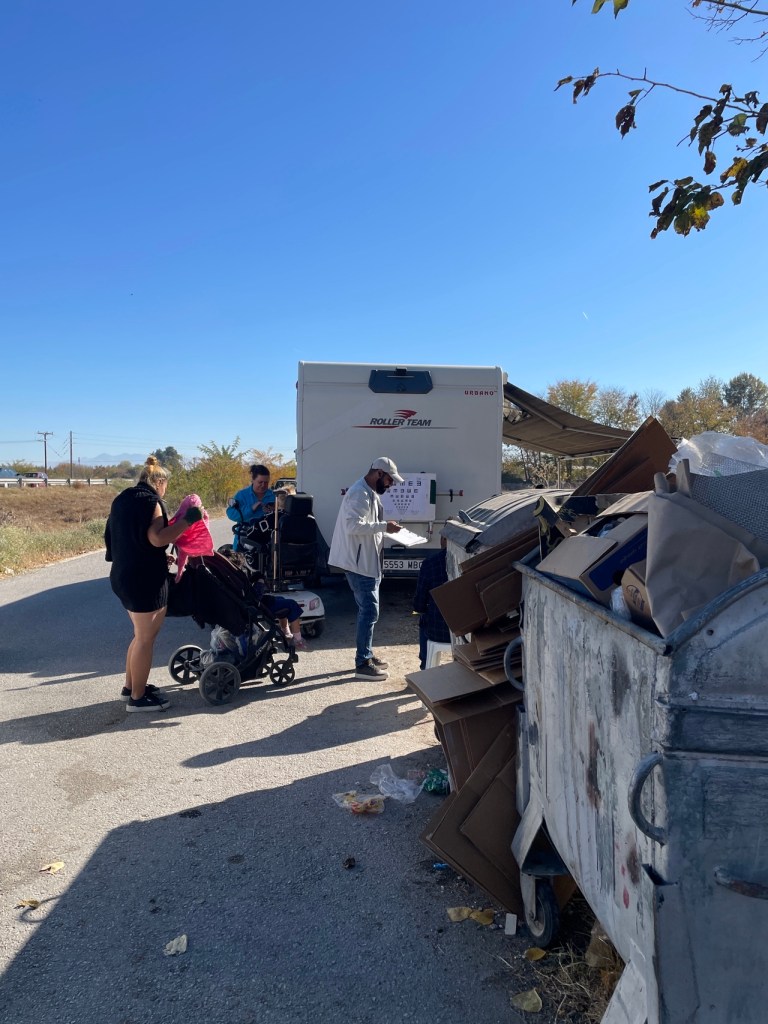
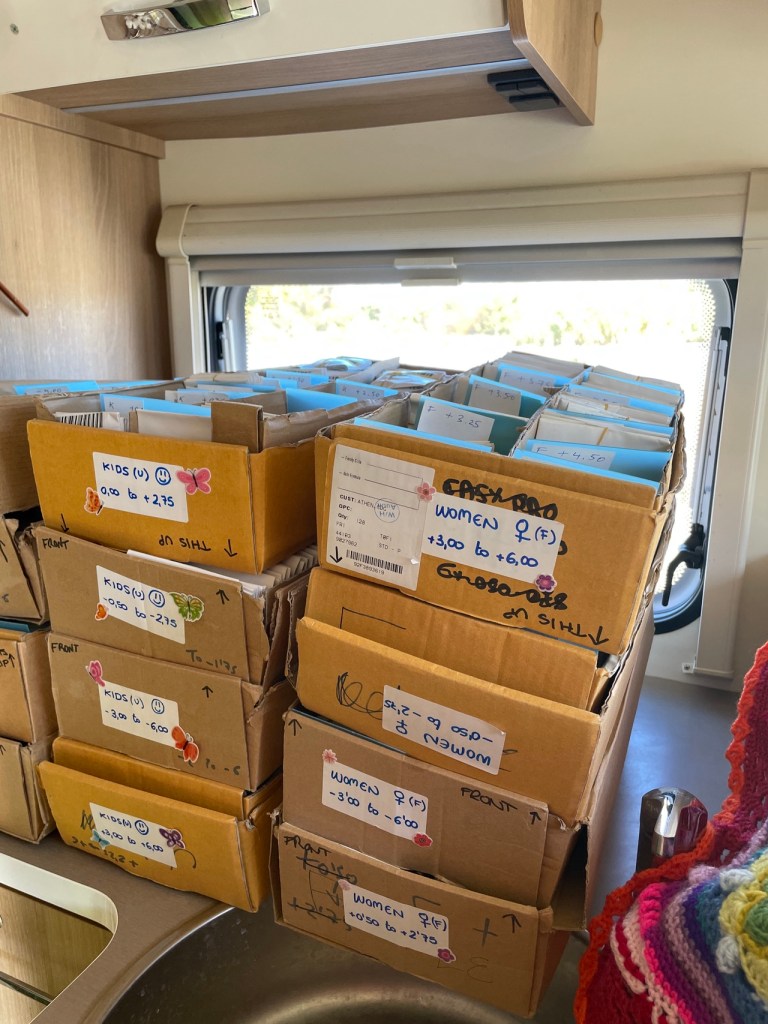
NGO Light Without Boarders outside a refugee camp in Serres
When migrants reach Greek shores, most are picked up, or report themselves to the Hellenic Police, the national police department. The HP are tasked with processing each migrant, checking papers, trying to identify the terrorists and criminals among the many who are simply seeking asylum. This process can take less than a week, or up to six months. At this time, the migrants are put in the queue for an asylum interview. While being processed, they are held in detention centers and cannot leave. Due to the surge in migrants and lack of funding, many in these centers do not have even bedding and basic hygiene supplies.
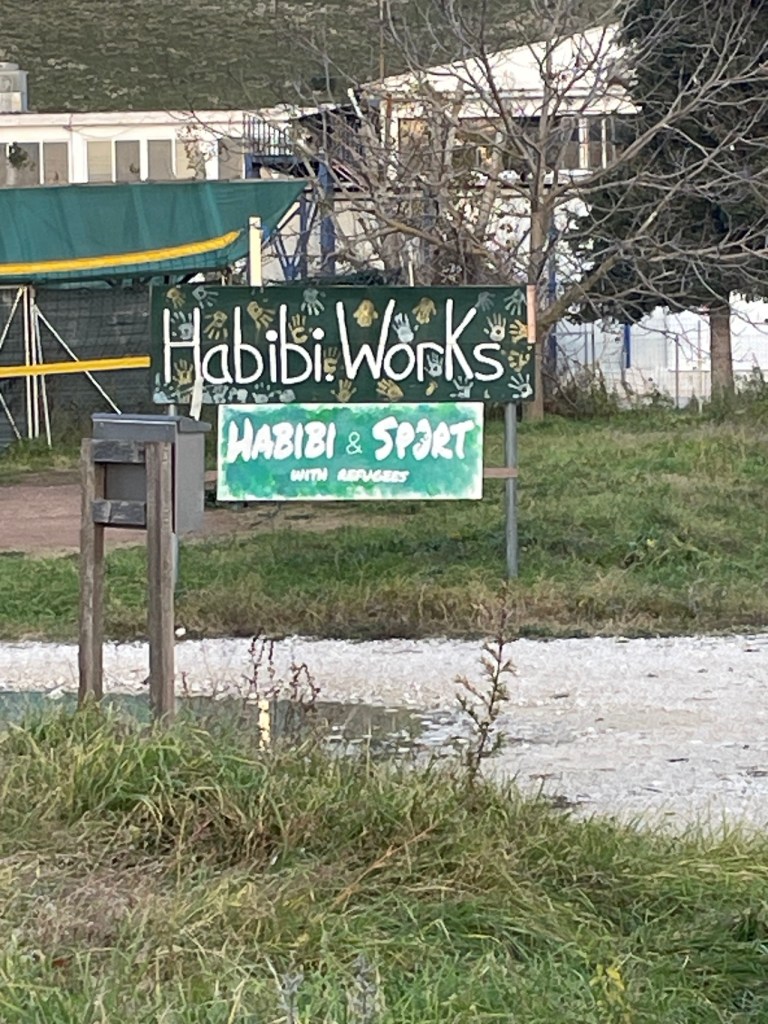

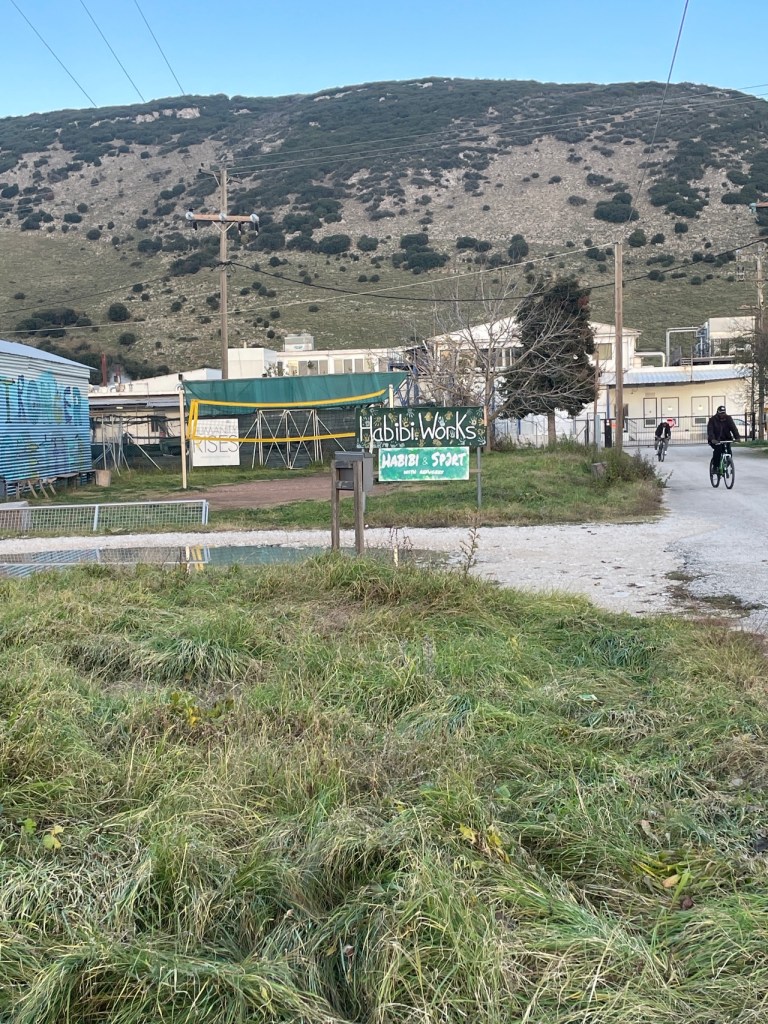
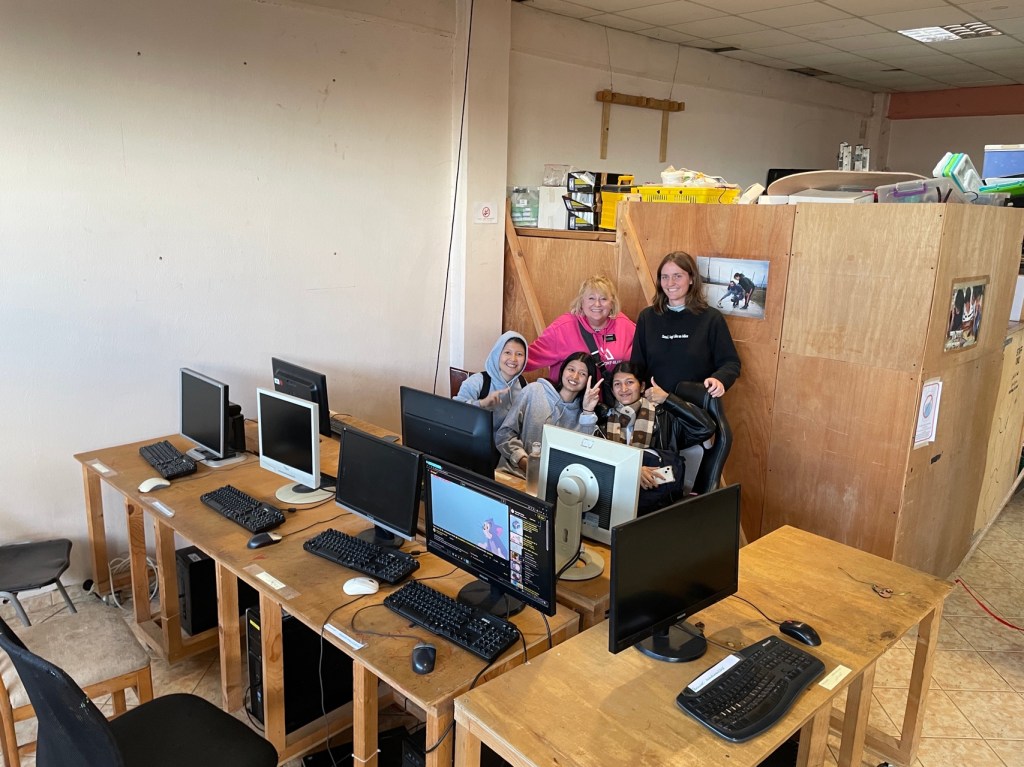
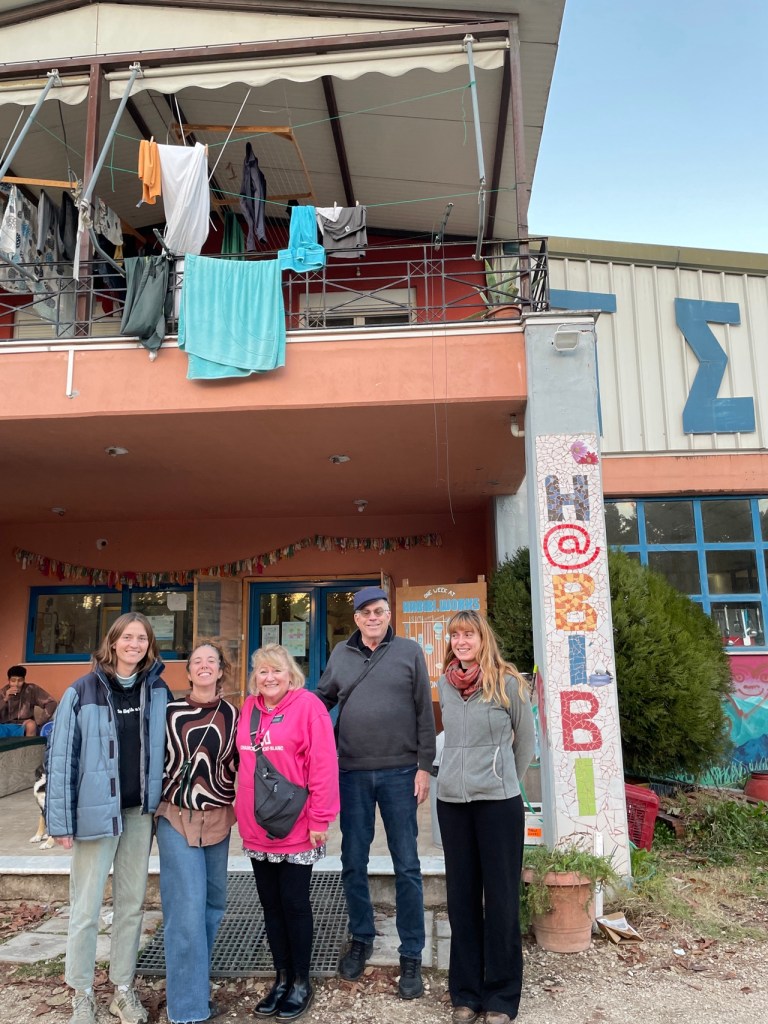
Habibi Community Center outside a refugee camp near Ioannina
Once released from the detention centers, the Migrants are transferred to a refugee camp, run by the Ministry of Migration and Asylum (MoMA). Fixed budgets and surges in refugees have left many of the asylum seekers in these camps destitute as well. As in the detention centers, they lack blankets and bedding. In these camps, migrants wait for their asylum interview, which can take months, and then for the results of the interview, which can can take months or even years. During this wait, they receive a monthly stipend from the government, in the order of 70 euros a month. Families receive more, but it is still very small. After several months, an asylum seeker is eligible to find a job, but with unemployment in Greece at 35%, that is difficult. Many find jobs in the tourism industry, but the pay and benefits are small.
If a migrant is granted asylum, they are eligible to apply for travel papers and in many cases, a passport. If they are not granted asylum, they may appeal. Once a decision is made, all loose government benefits, including health care.


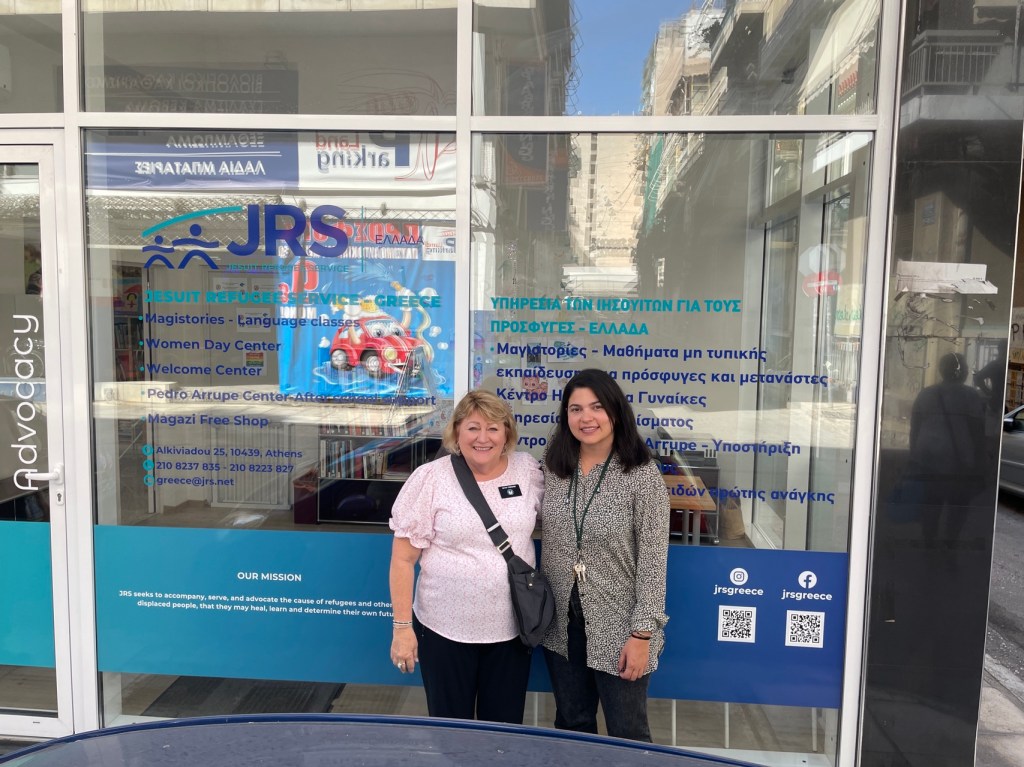
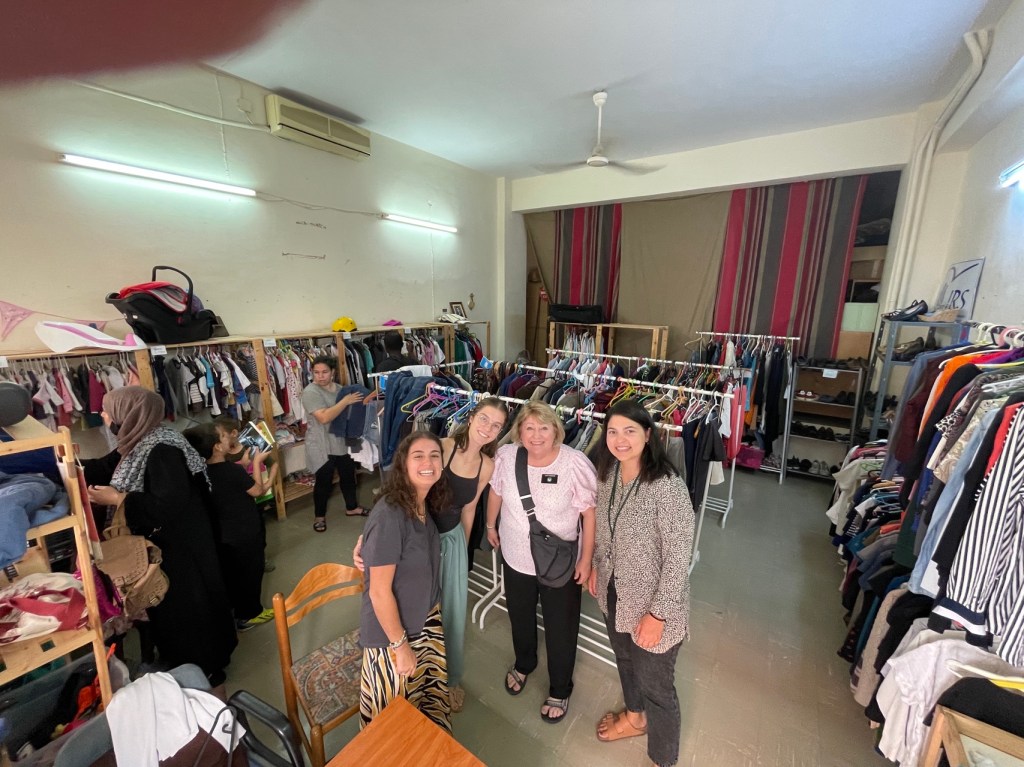

JRS Refugee School in Athens
There are many migrants in Greece who were denied asylum or are in Greece illegally. They cannot legally work and have no government benefits. Many women in this situation resort to prostitution, which pays as little as 3 euros a day (about $3.50). We had a woman at our church who was drawn to the missionaries and wanted to be baptized. She walked this very path and wanted to change her life.


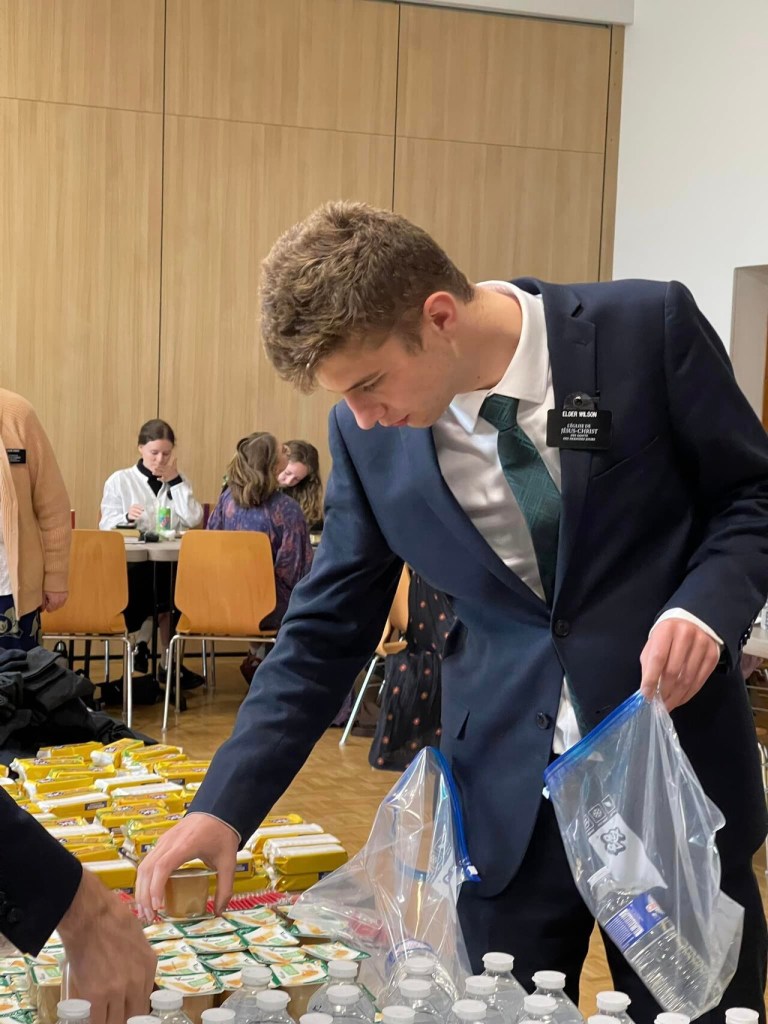
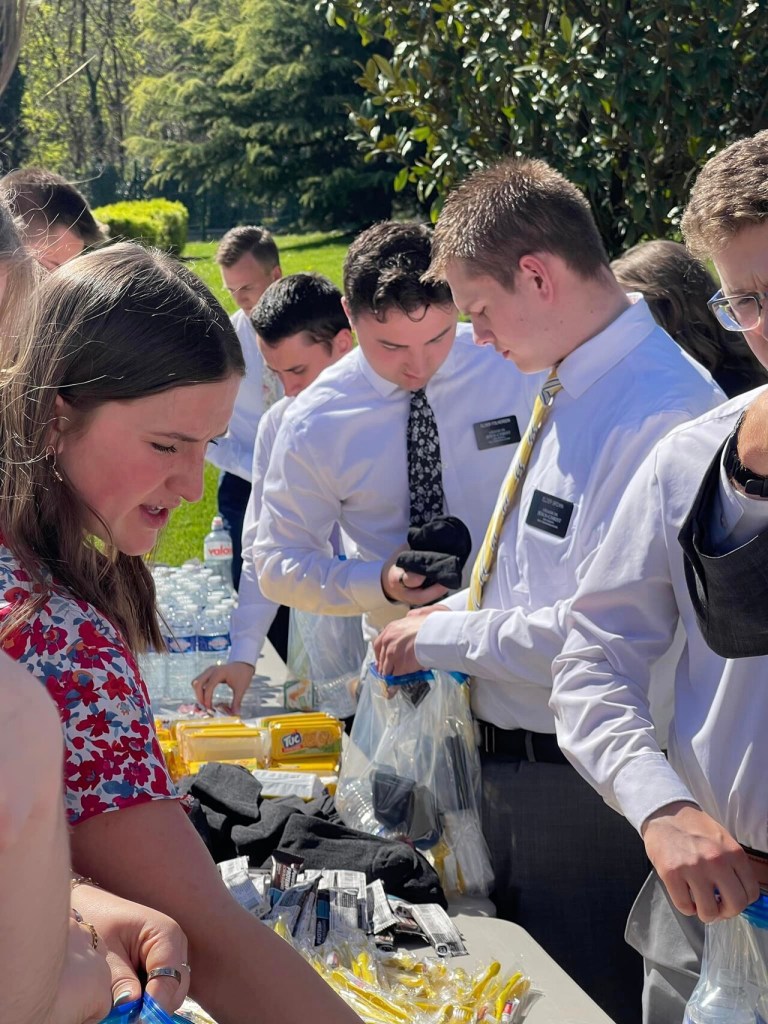
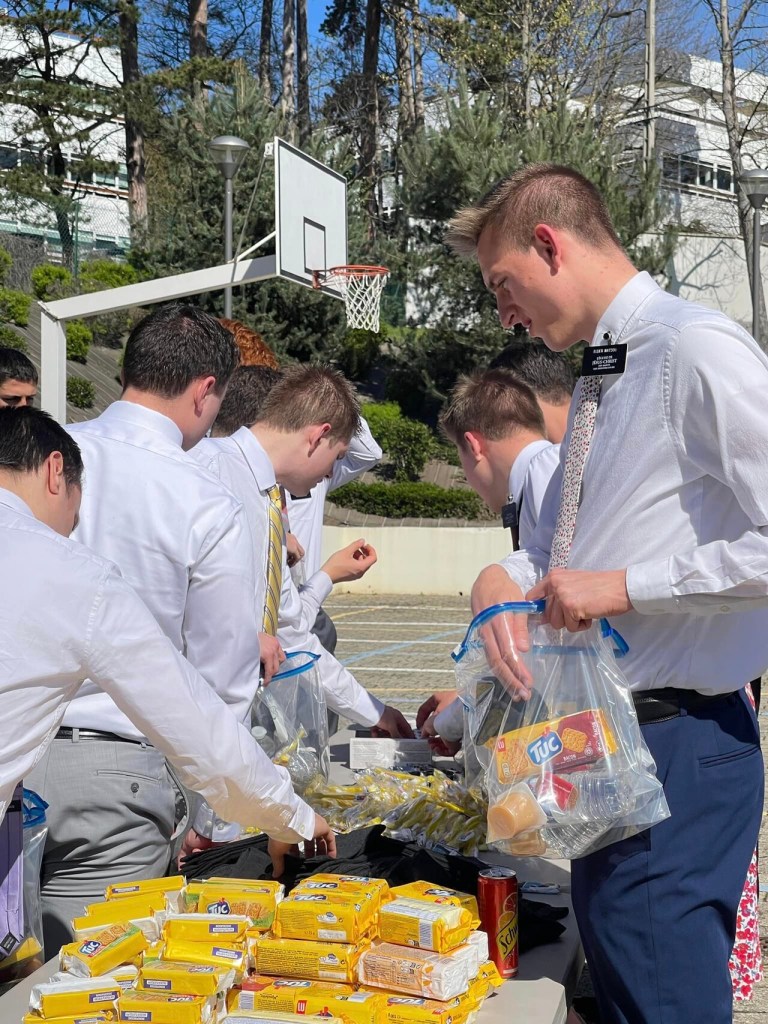
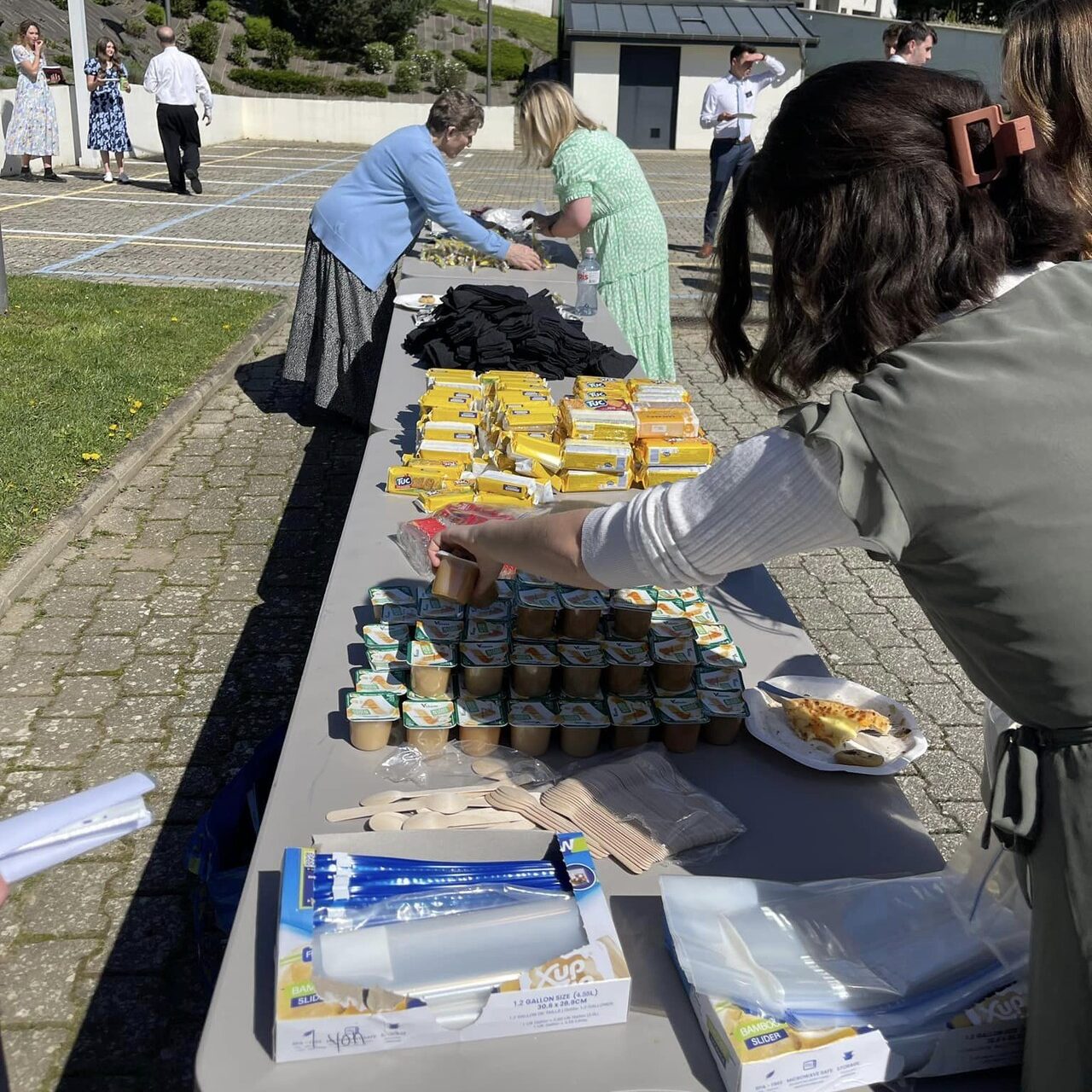
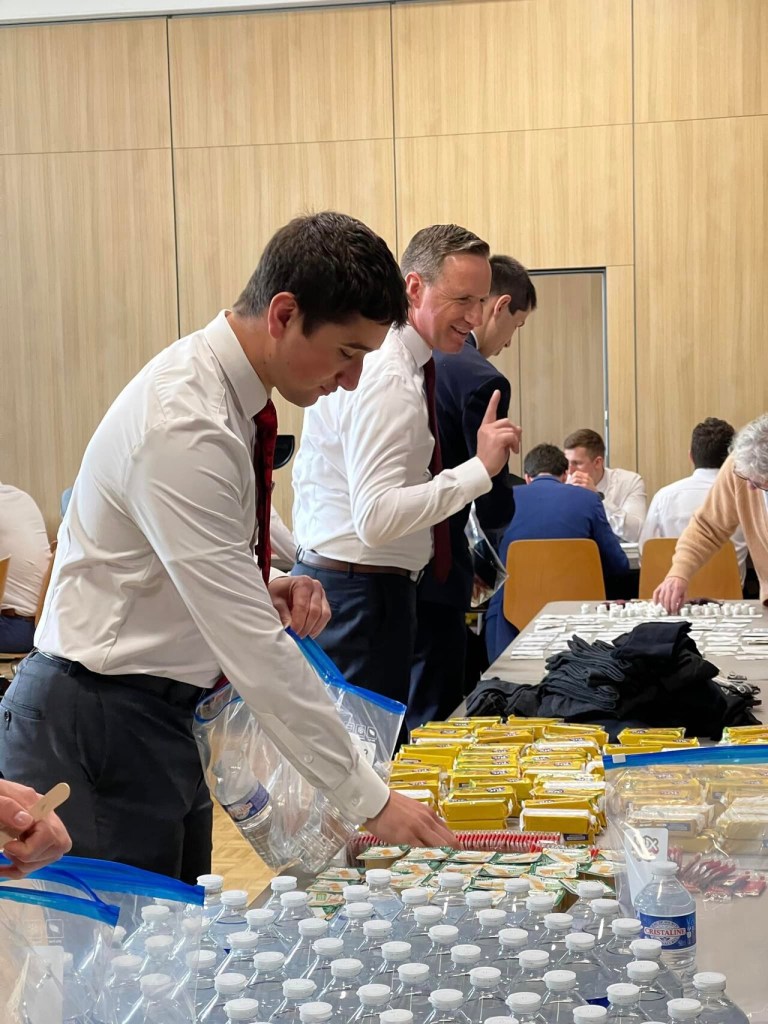
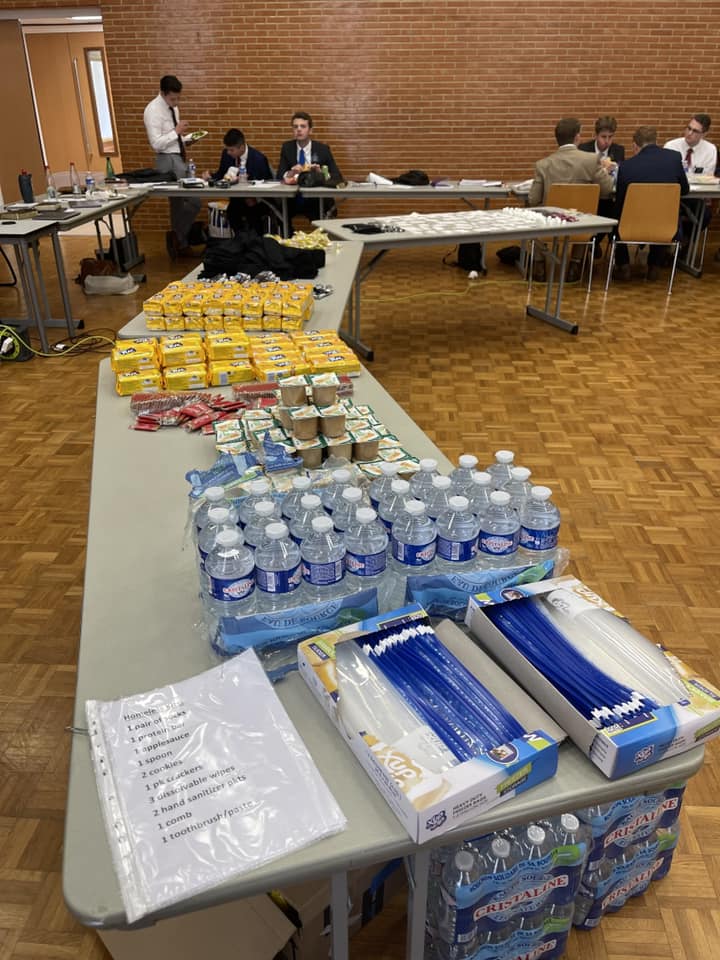
Loading food bags at InterSOS
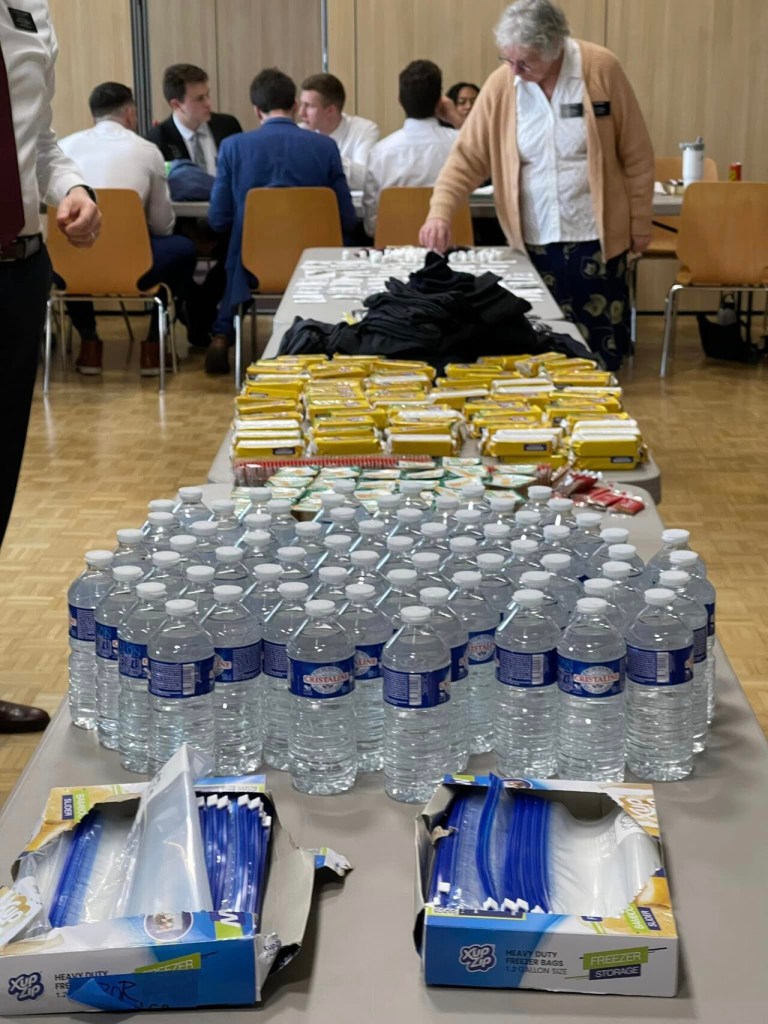
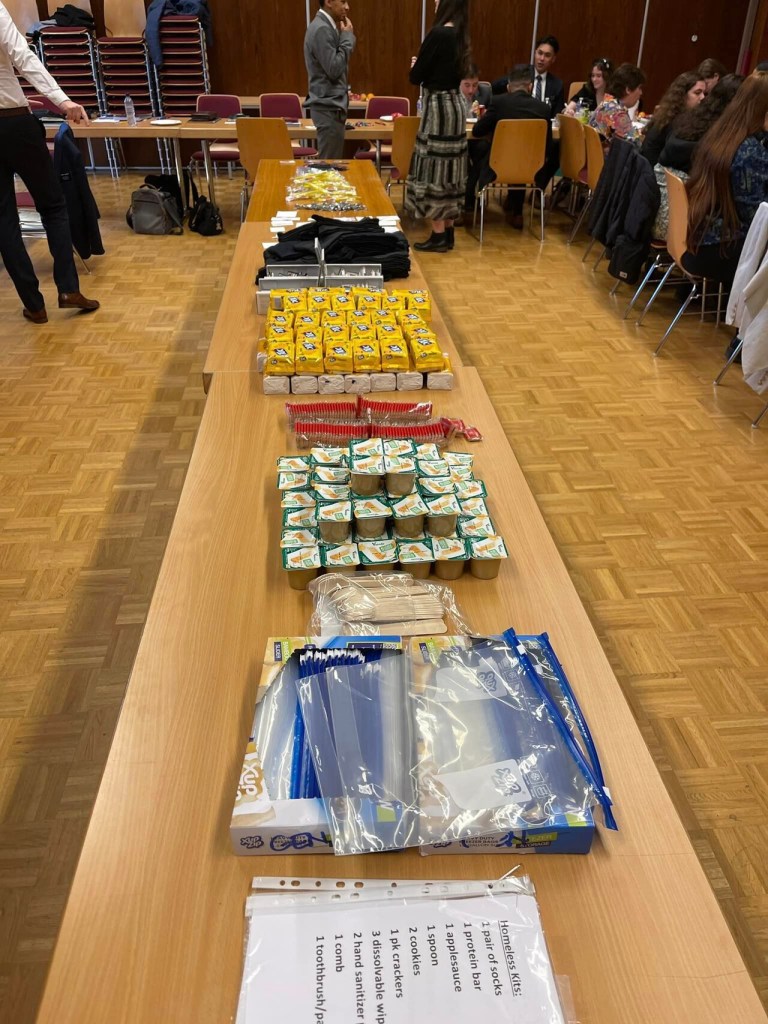
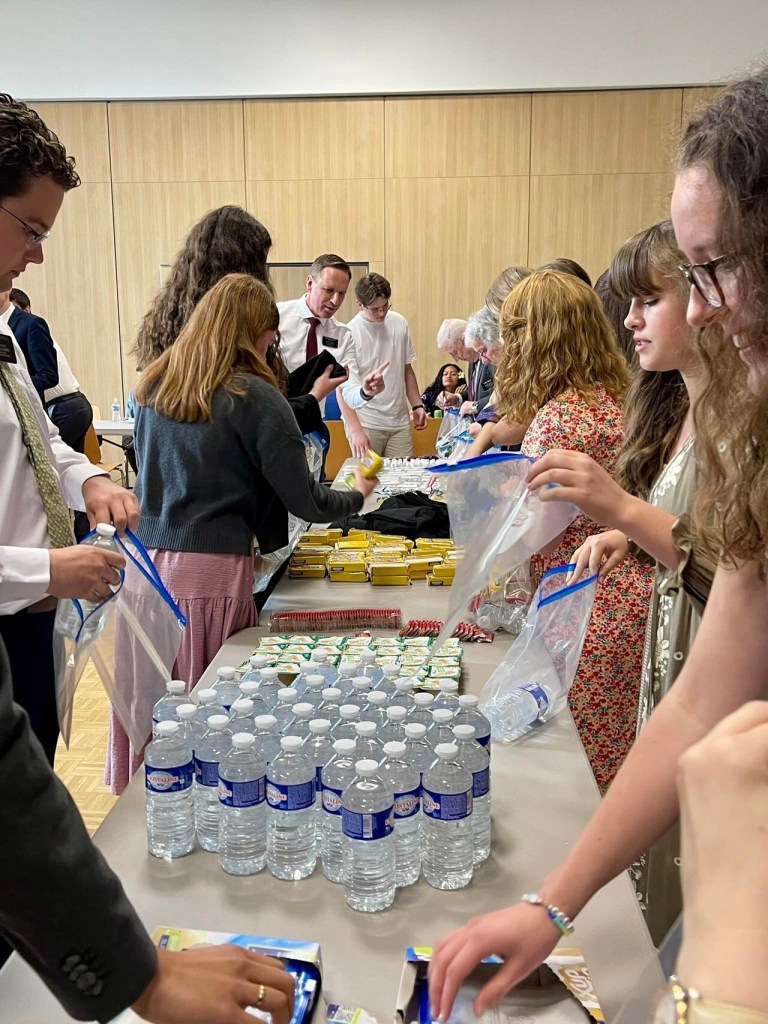
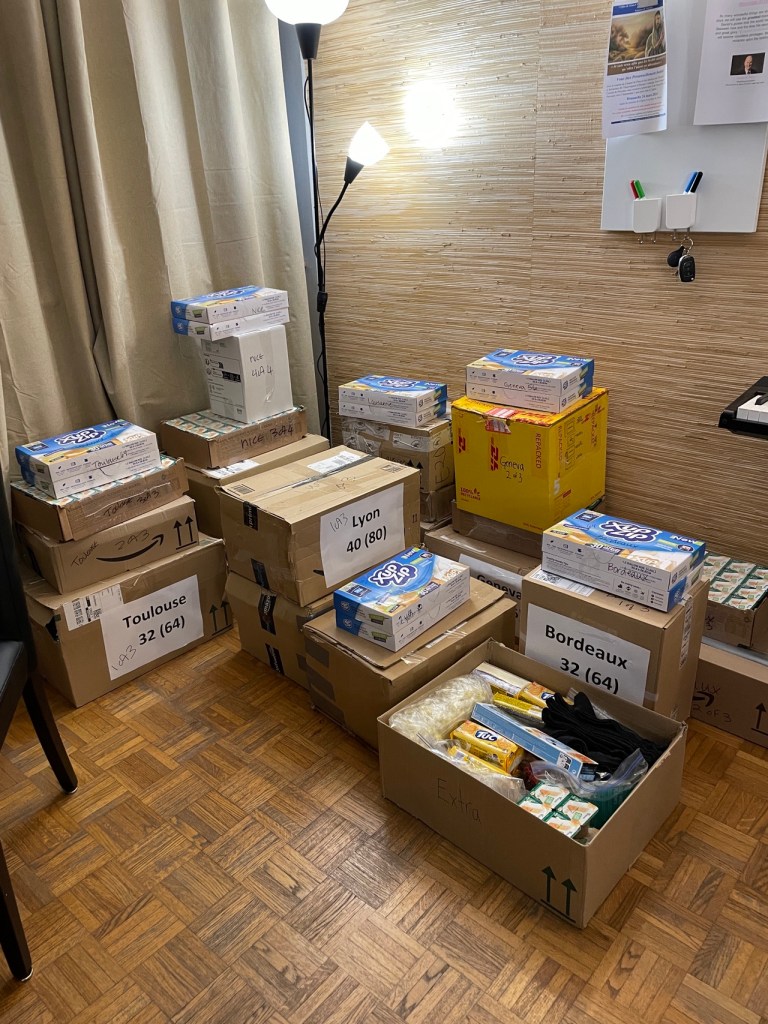
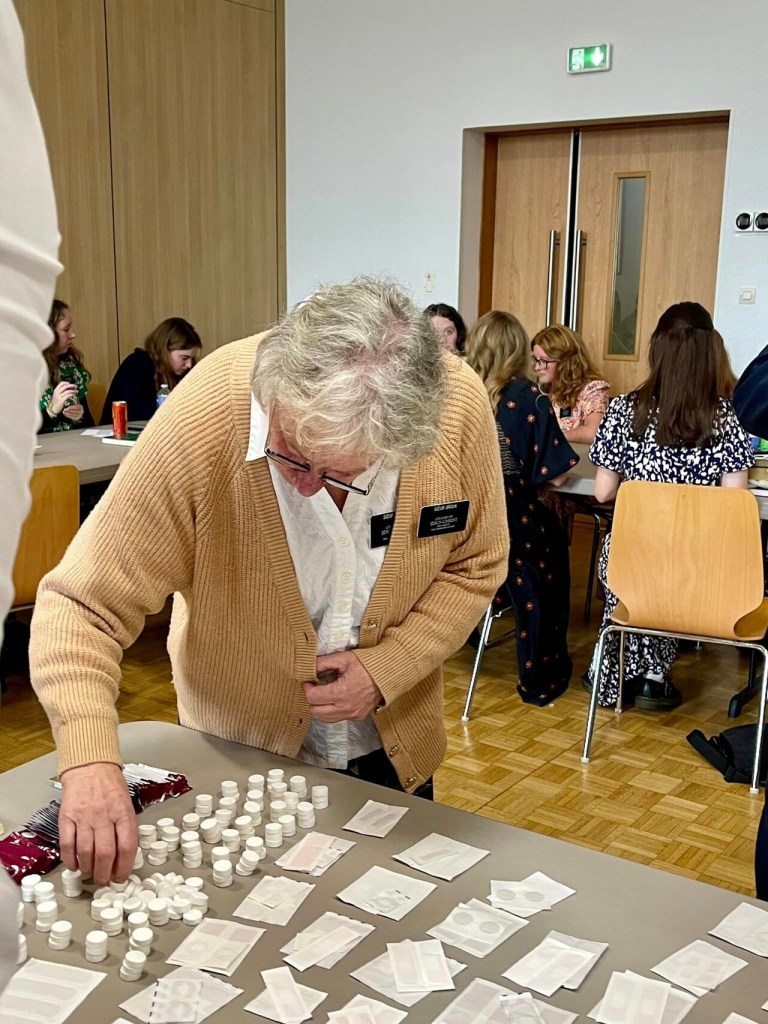
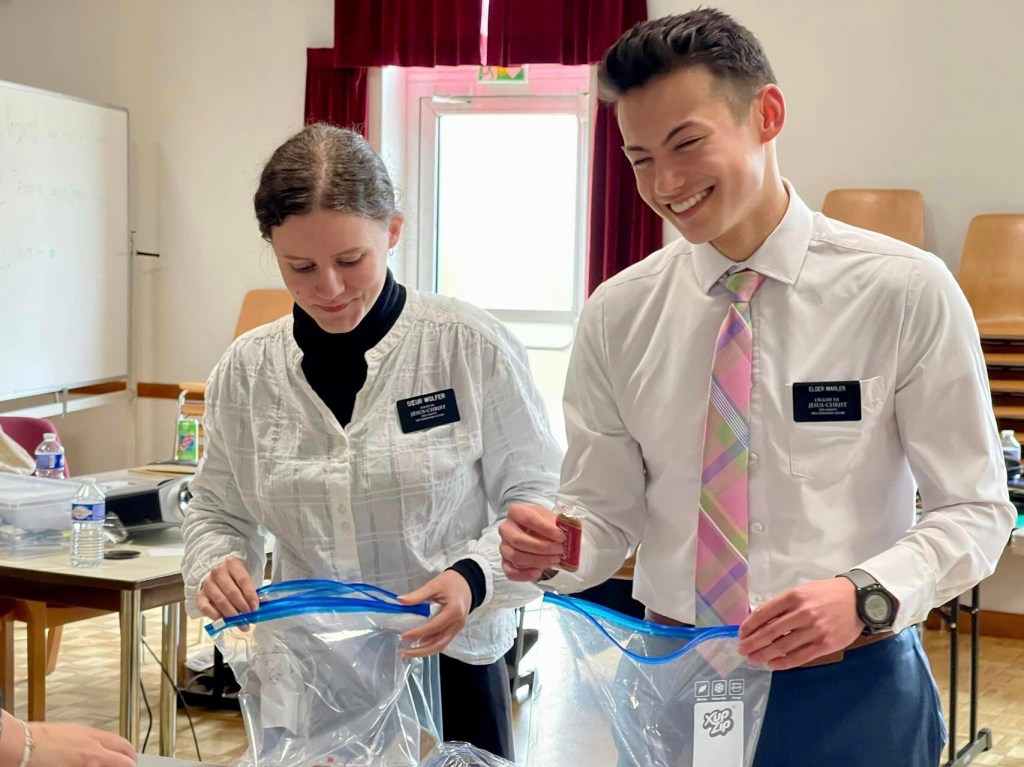
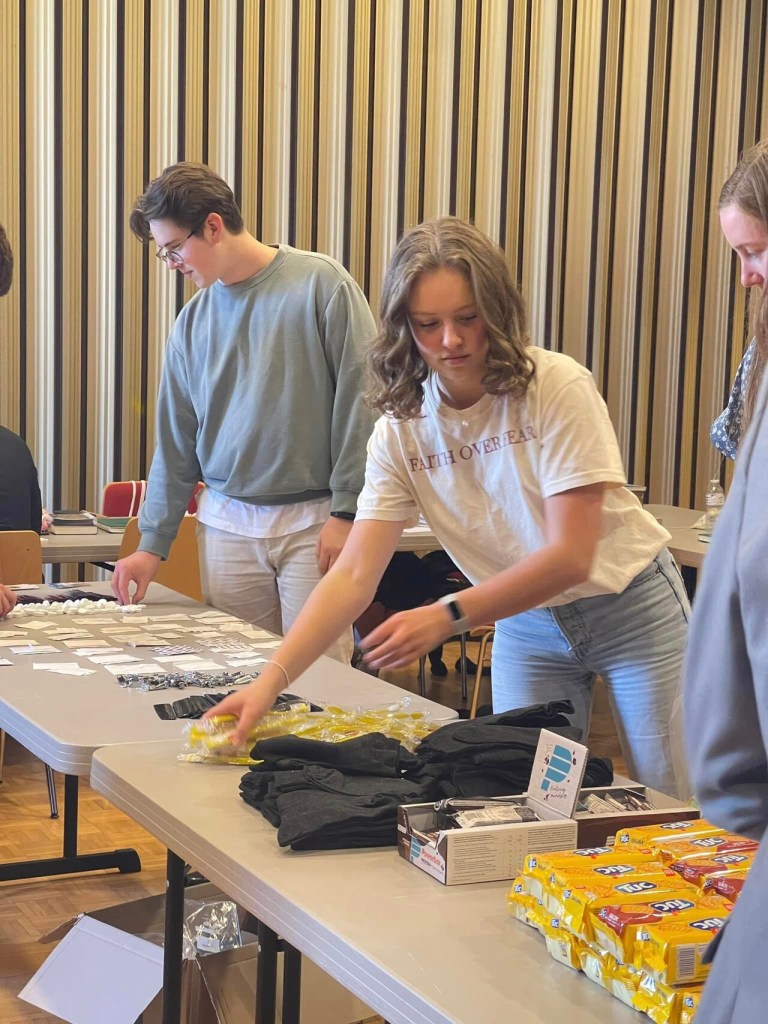
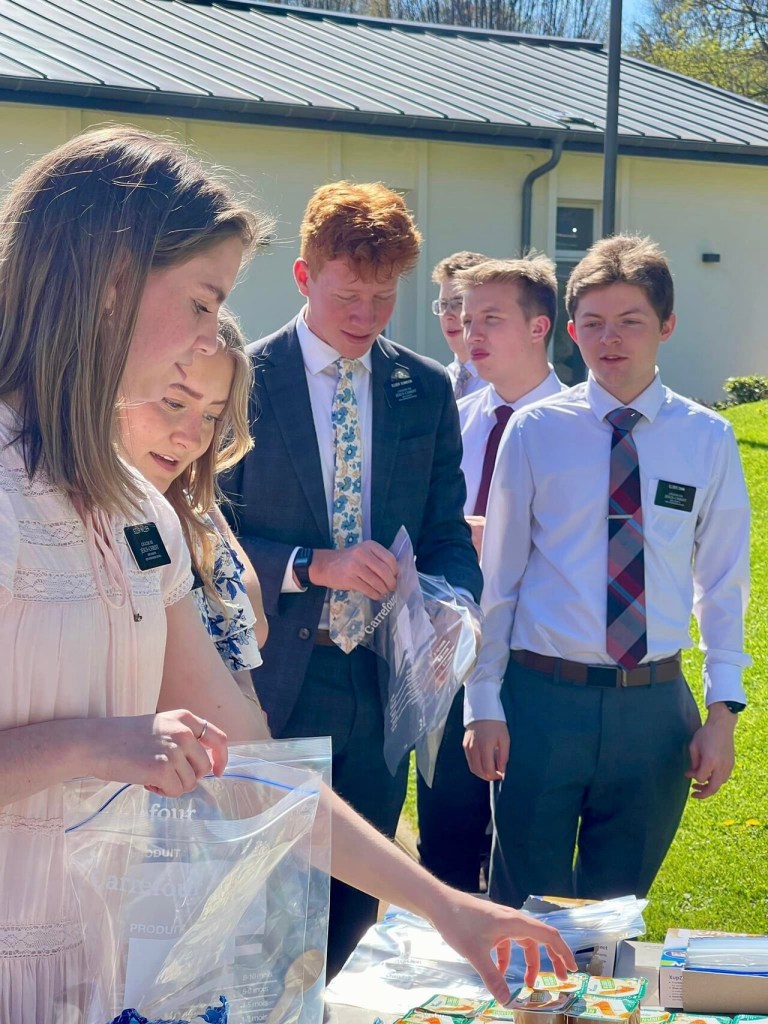
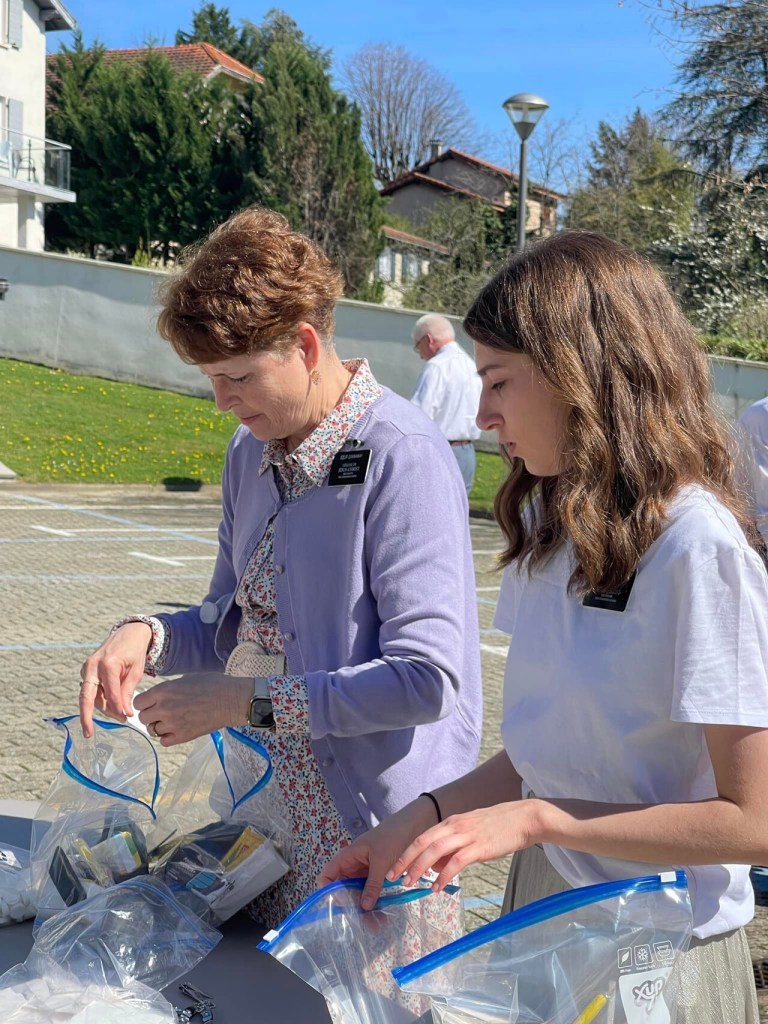
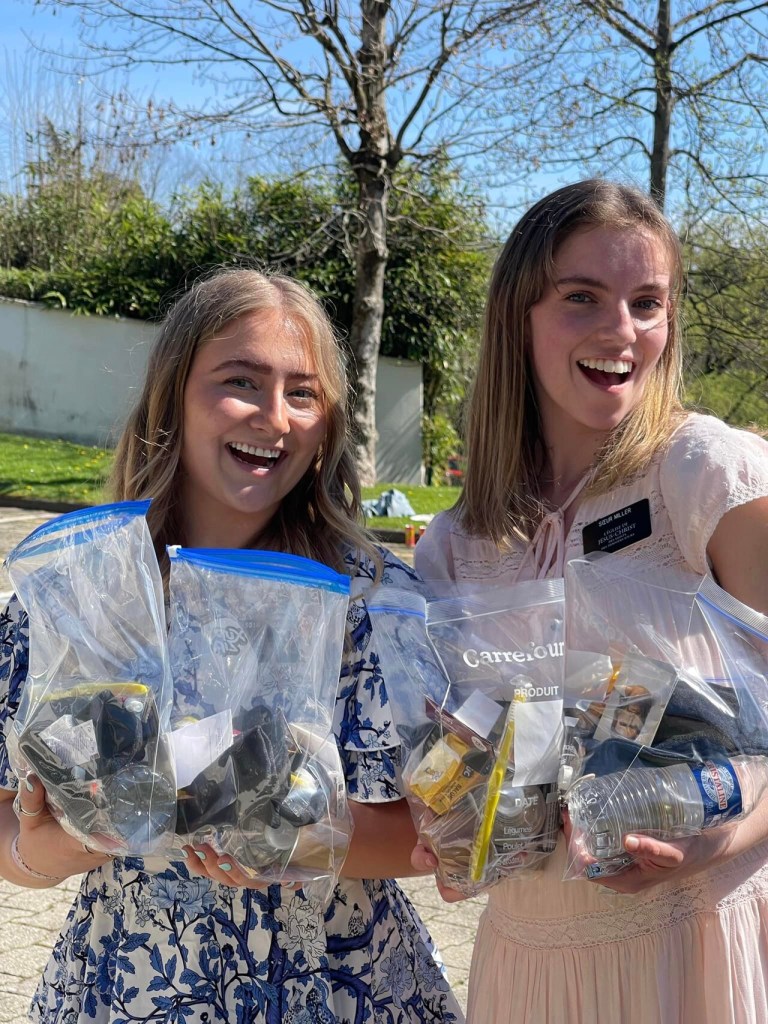
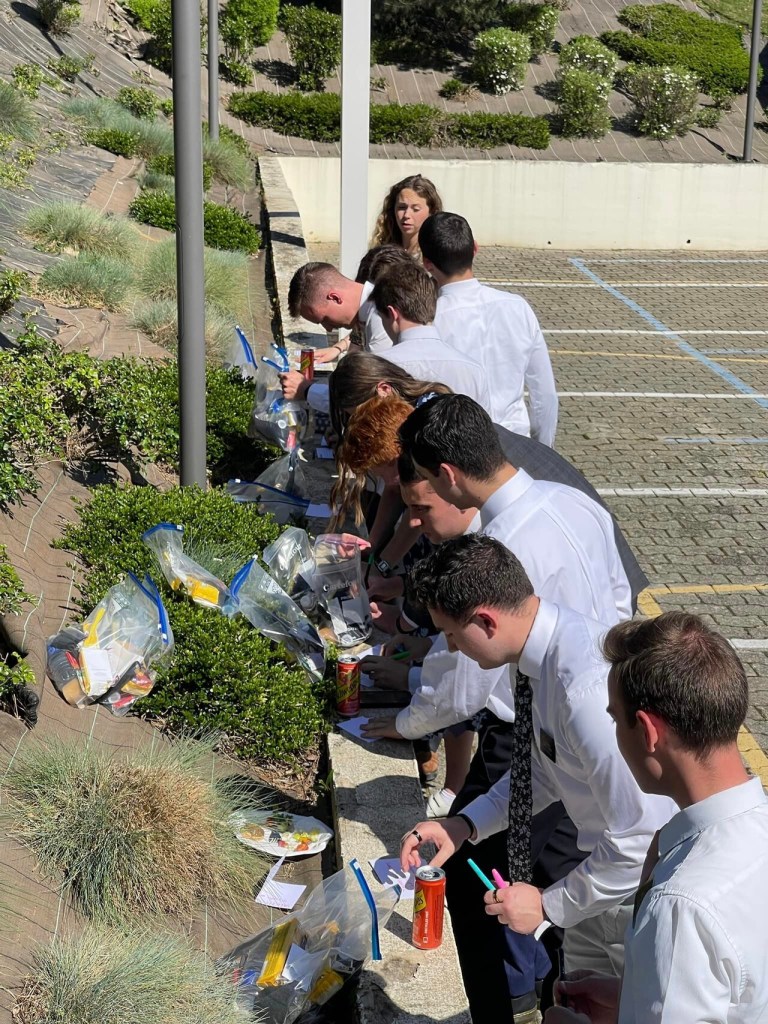
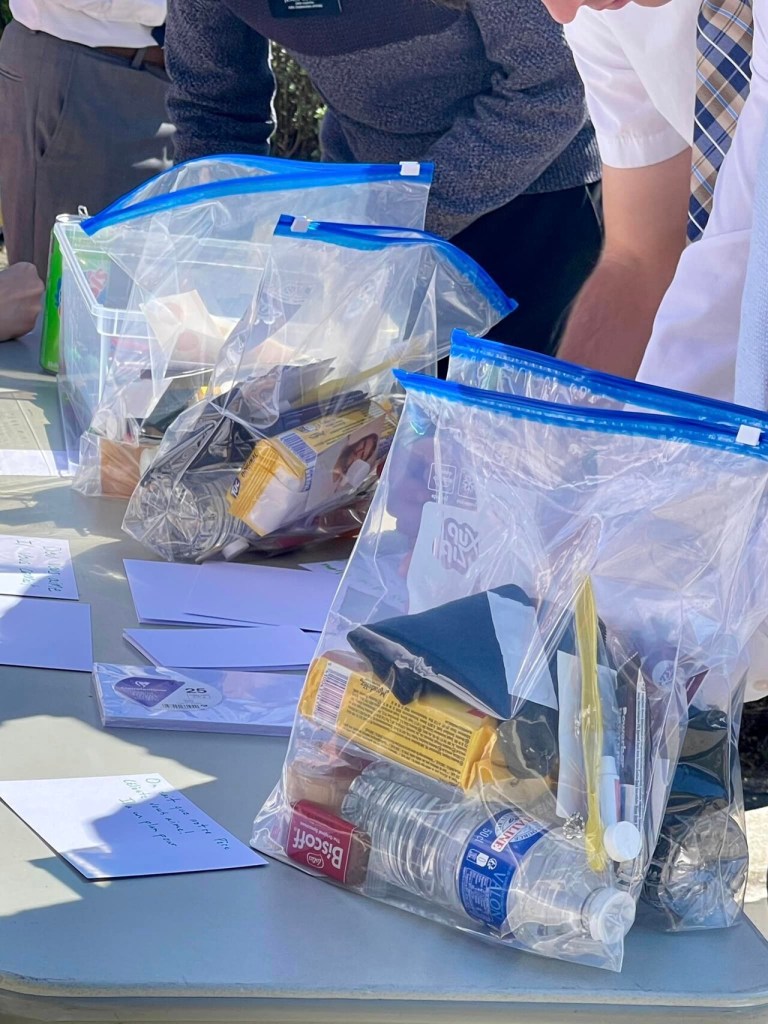
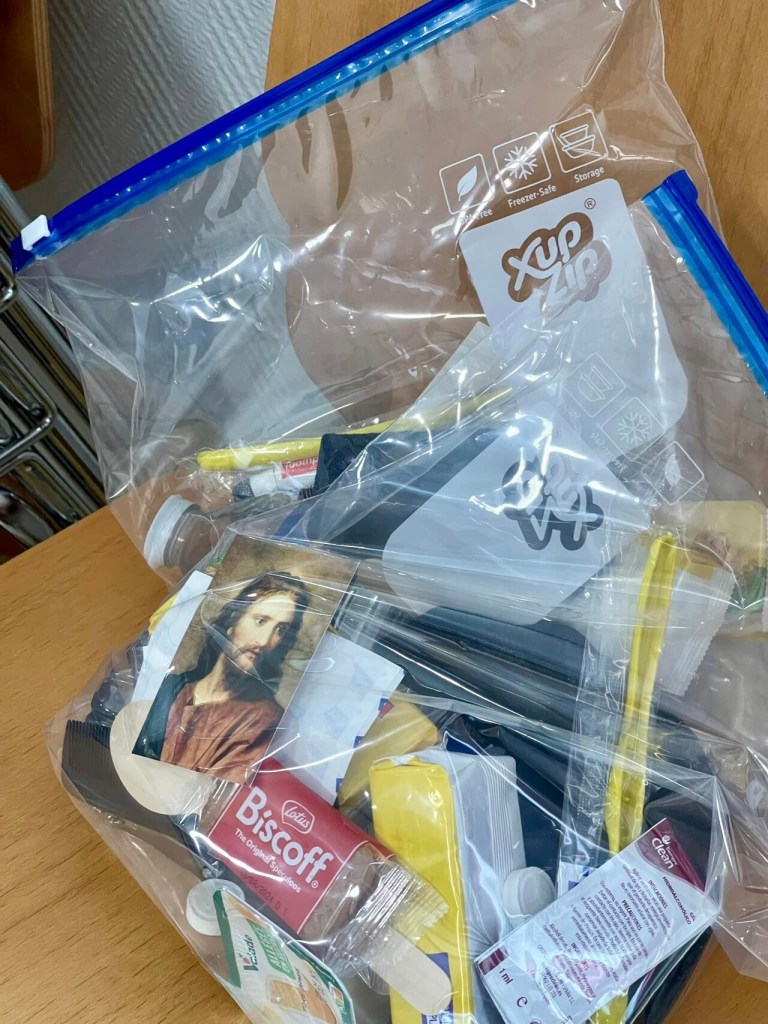
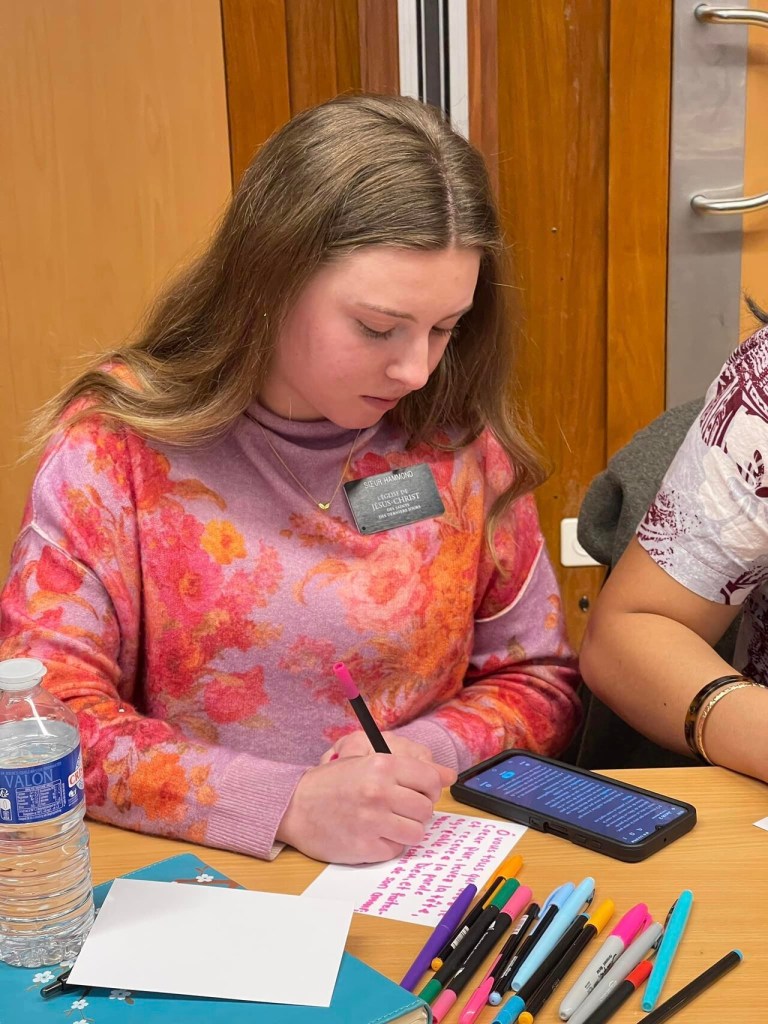
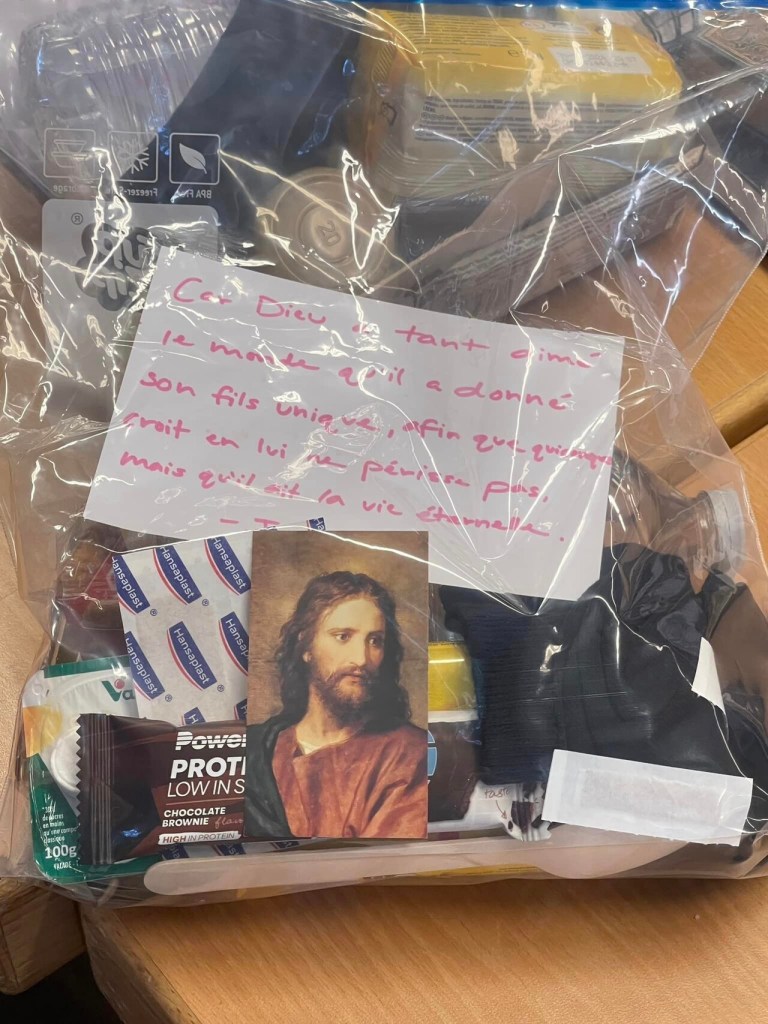
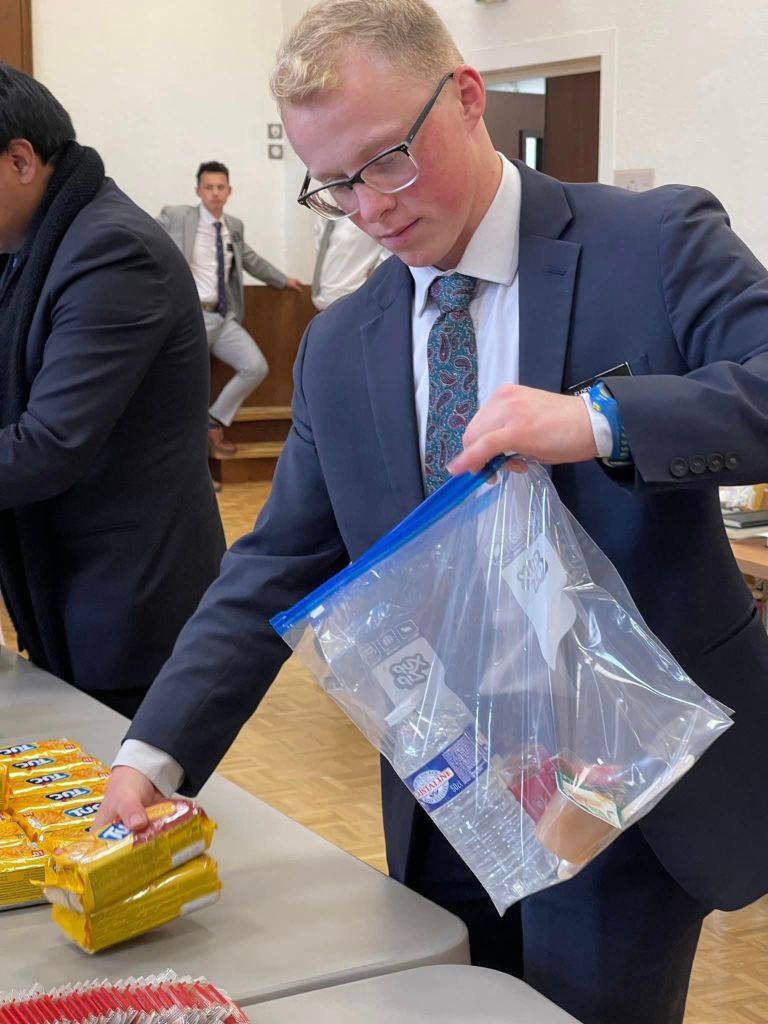
NGOs (Non Government Organization, to those from the states, a non-profit) are doing all they can to assist migrants and other vulnerable in Greece. Vela, an NGO working in Eastern Europe focuses on the unaccompanied children. They have established Safe Zones where the children receive shelter and food as well as medical and psycho-social support. Due to overcrowding and lack of funds, particularly on the Islands, many unaccompanied children reside in the regular refugee camps where they are susceptible to exploitation and abuse. Through the church, we did a quick project to supply blankets, coats and hygiene supplies to these Zones.
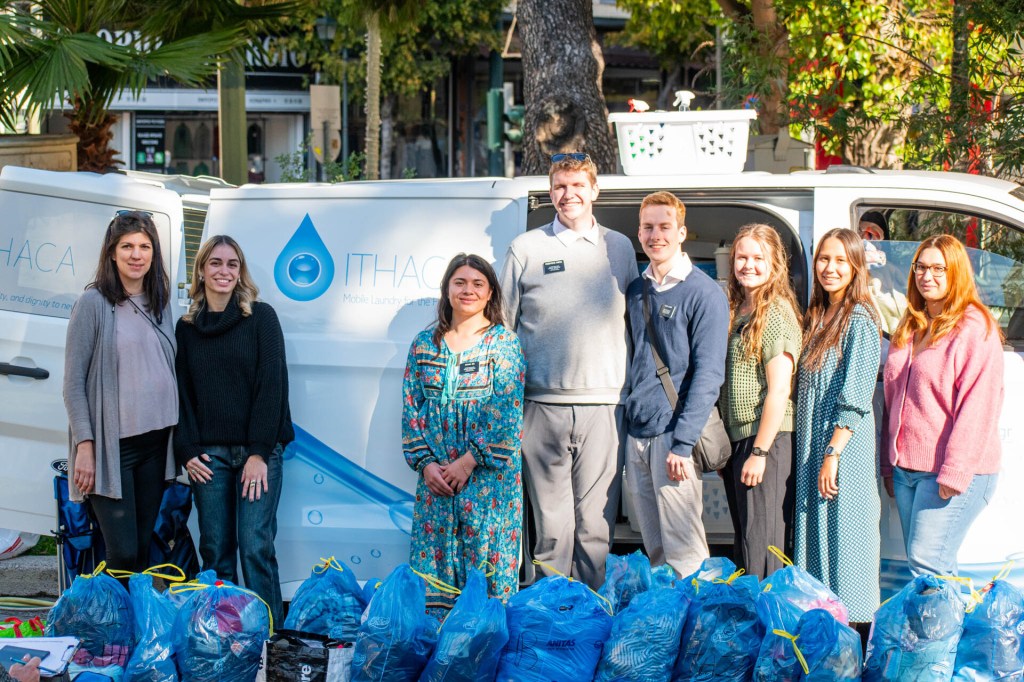


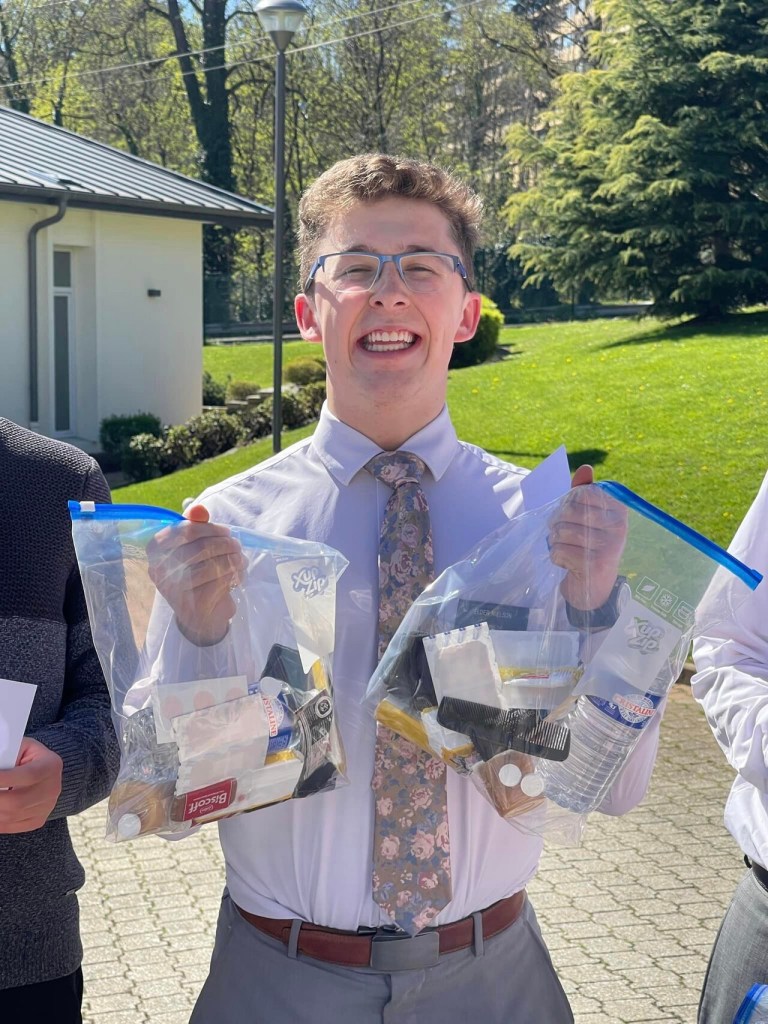
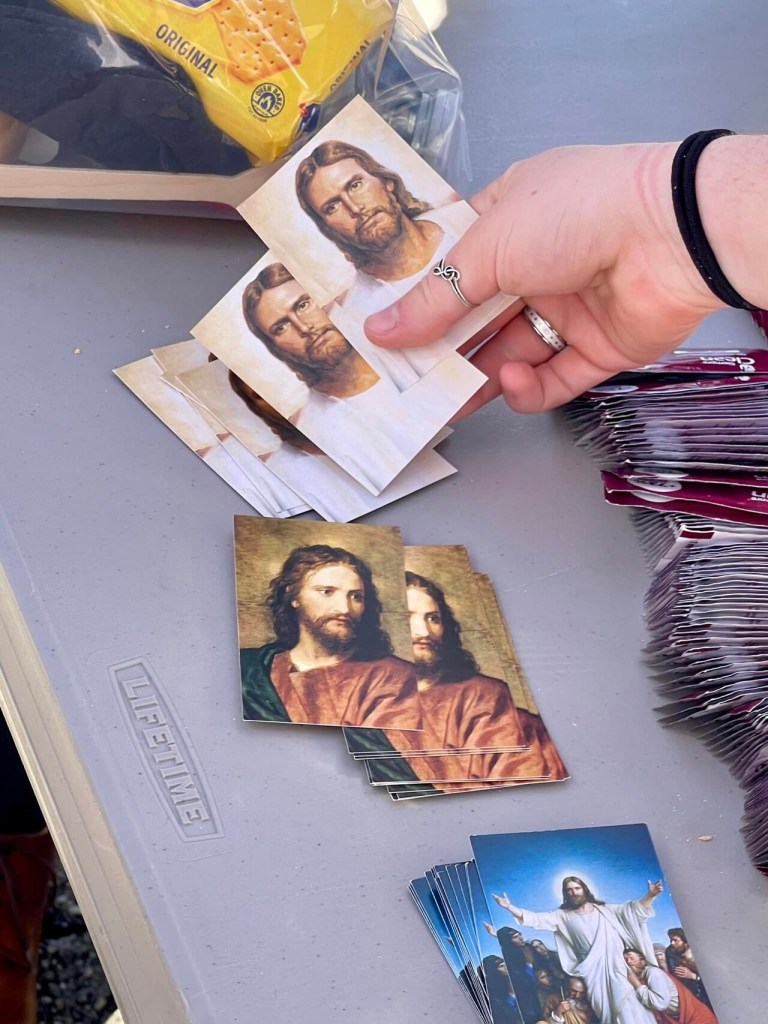
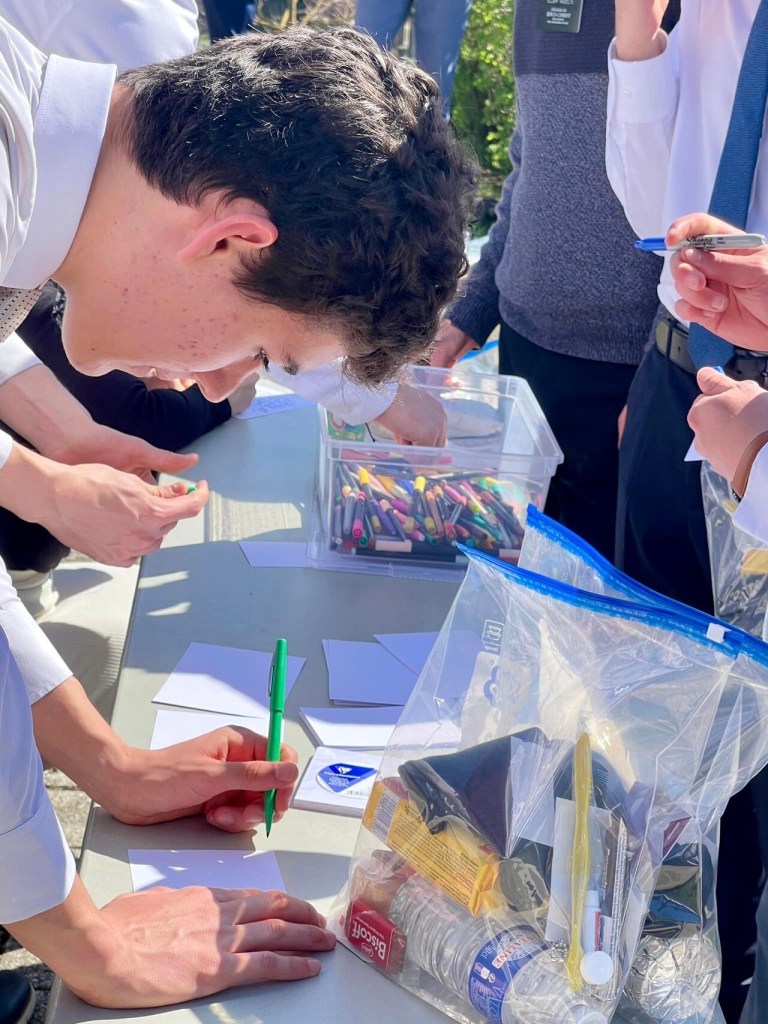
Distributing food and hygiene supplies at Koumoundourou Square. Photos courtesy of Ithaca Laundry
The men and women of the Greek Ministries are tireless in their efforts to cope with the crisis, but the asylum and refugee system in Greece is simply overwhelmed, and the humanitarian needs are great. The problem is multifaceted, and as a church, we cannot solve all of these problems, but we can help. One of God’s children at a time.
We love serving in Greece. The stories are hard to hear and the work seems endless, but we are His hands in ministering to those least fortunate.
 Latter-Day Saints