by Catherine and Tim Frodsham 3 February 2025
In the five months of our mission in Greece, we have visited with non-profit organizations talking about refugees, homeless, ROMA and other populations that are vulnerable and at risk. Through all of this, we never visited a refugee camp. The camps are closed to all visitors, and most NGOs (Non-Government Organizations, non-profit organizations to those in the USA) who work with the refugees establish community centers within walking distance of a camp. They supply food, legal help, education, recreation and other services to asylum seekers within the camps.
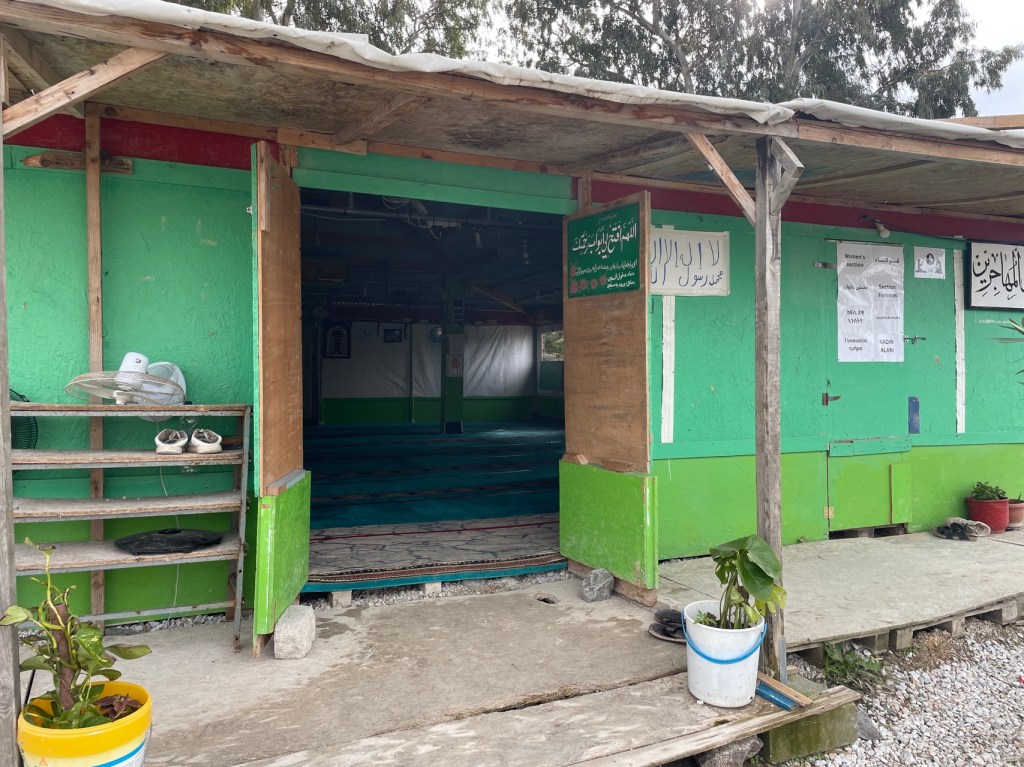
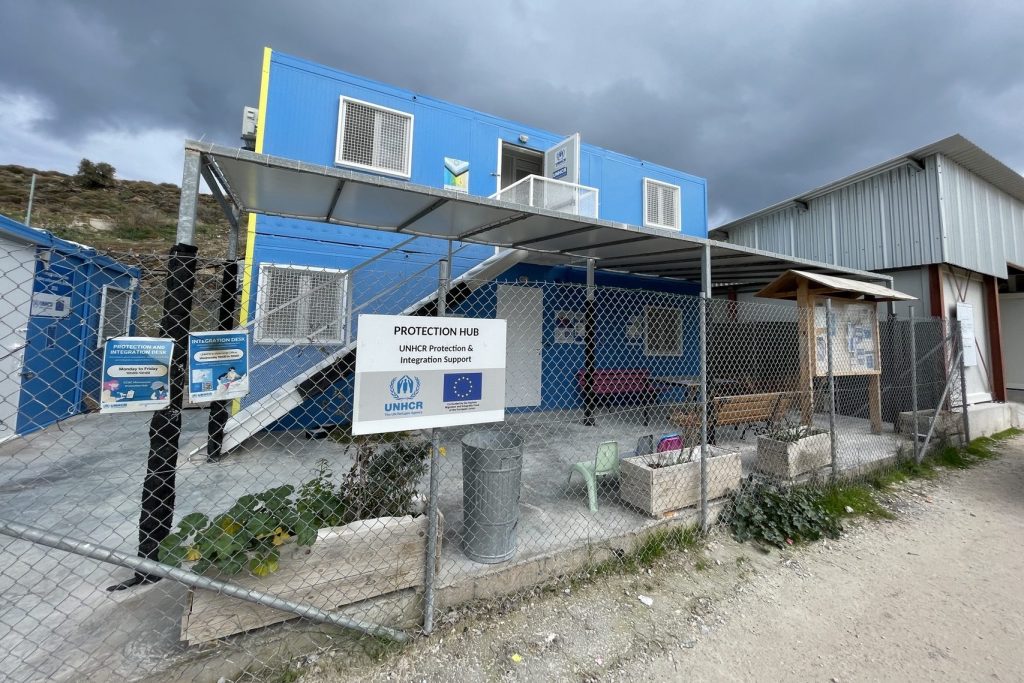
On Lesvos, a Greek island in the North Aegean Sea, the Mavrovouni refugee camp is located on the sea shore within view of Turkey. We visited with staff and volunteers of CMA (Crisis Management Association) who have rare access to the camp and staff a small dentist’s office and the only pharmacy in a camp housing 4000 refugees. The pharmacy is the size of a small RV, and receives orders to stock the pharmacy once a week on Thursdays. I watched as a young teen mother carrying her baby, stop to pick up her prescription just before the pharmacy closed. I will never forget the worried look on her face as she was told that her prescription would not be available until Friday, two days away.
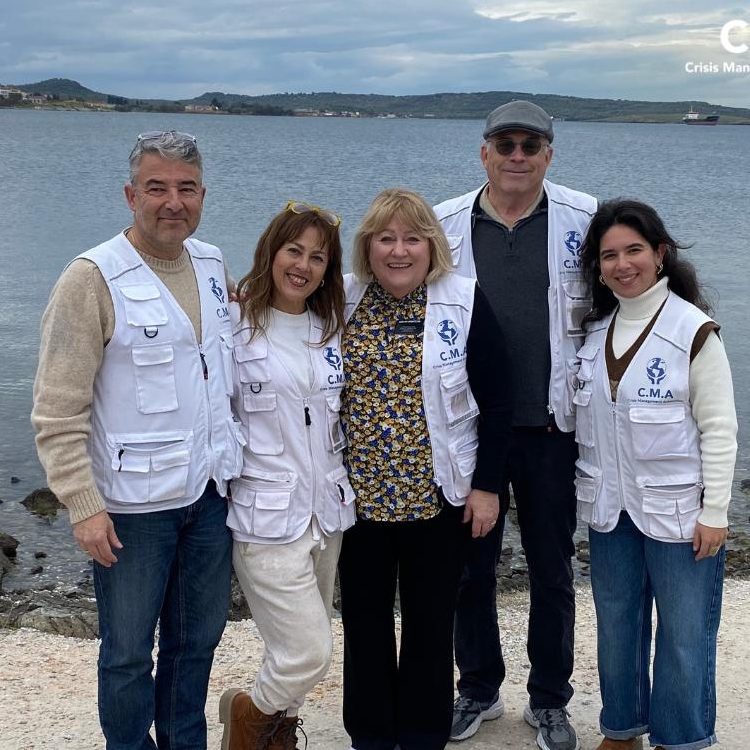
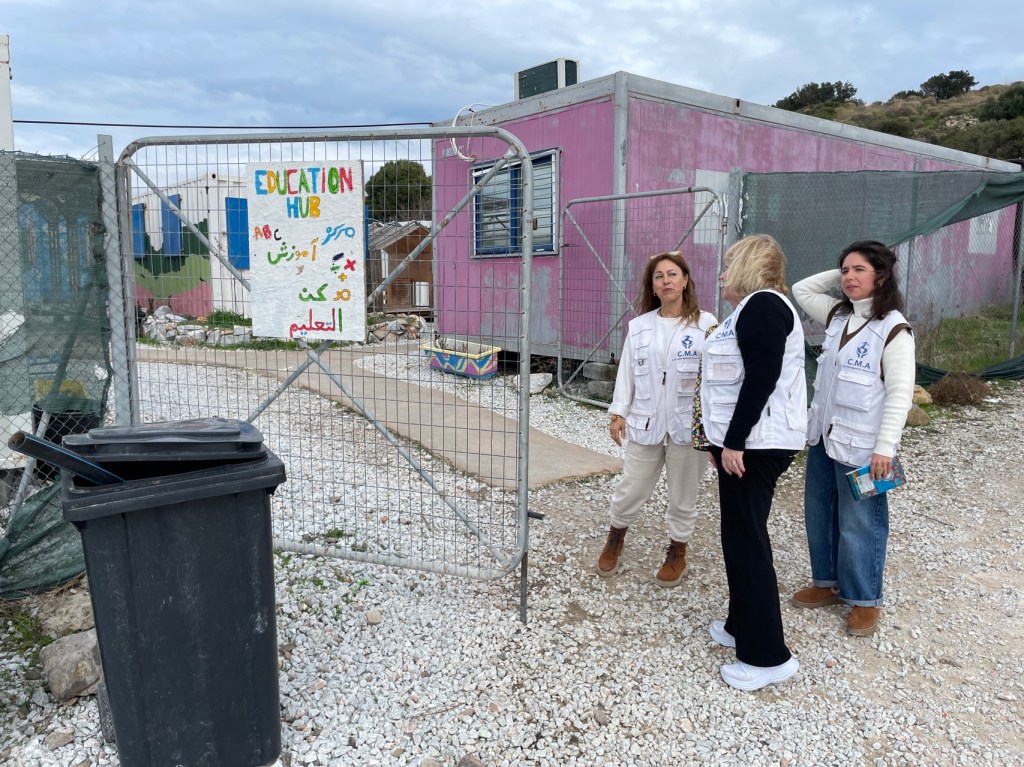
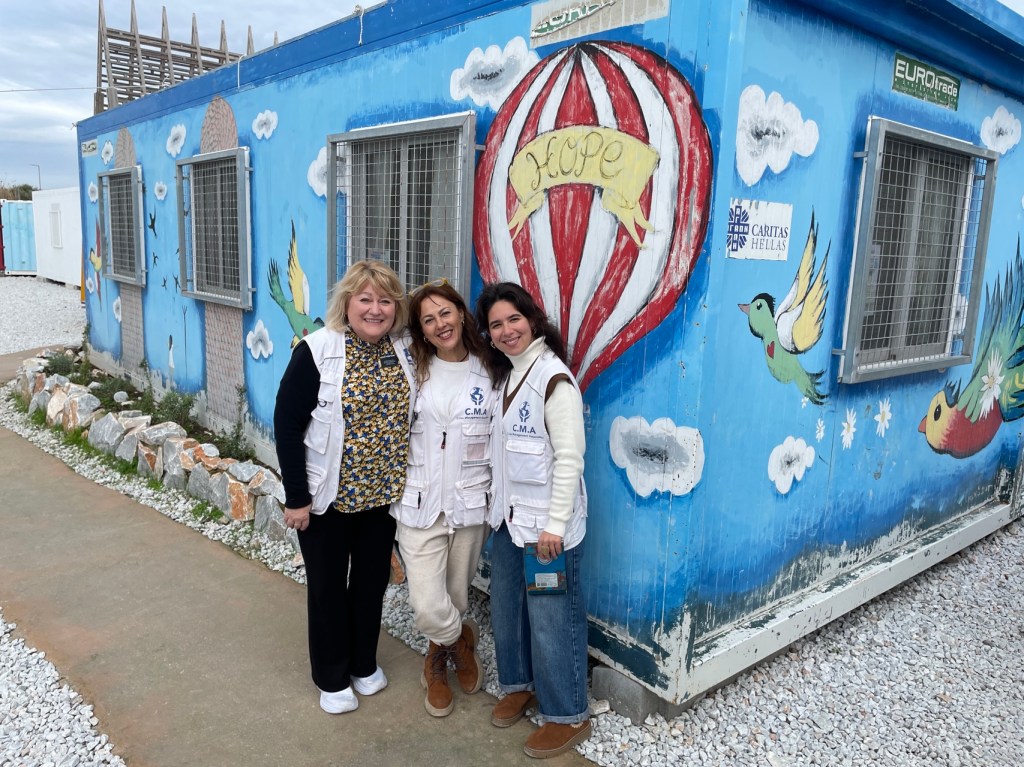
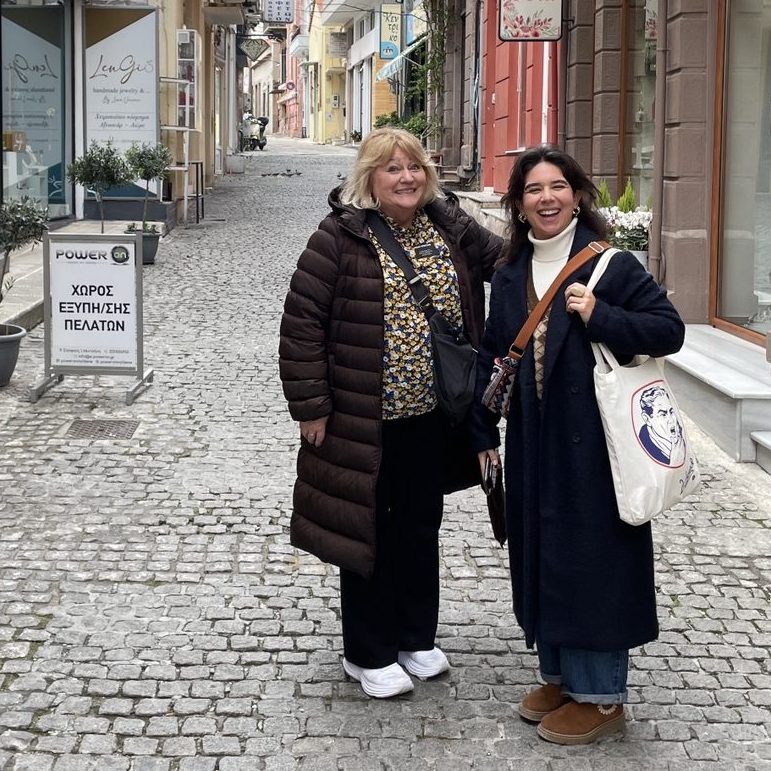
The dentist’s office, in a nearby now familiar trailer, had two chairs. Doctors and other medical personnel volunteer to work in the camps and many bring their families to vacation while they serve. There was no one in the office at the time, the Christmas season and winter months that follow bring few volunteers. We talked to staff and volunteers from a number of NGOs, and to a person, they are caring and dedicated to serving the one. We got to know Teresa and Efi from CMA as they walked us through the camp and met with us throughout our visit. Their cheerful enthusiasm was surpassed only by their focus and enthusiasm for lifting the one.
As we toured the camp, we watched a woman approach Efi with a question. She was looking for a volunteer organization where she could wash her clothes but she could not read the English and Greek on the paper she was holding. Efi took her gently by the arm and led her along the path until she could point out the container where the NGO was housed. I was impressed that the woman trusted EFI enough to approach her with a question, and that EFI showed such love and tenderness as she led that woman to her destination. They could not speak the same language, but the language of love, acceptance and care speaks louder than words.
It is not all roses and happiness in the camps and among the migrants in Greece. The disposition, motives, honesty and aspirations of the migrants entering Greece are as varied as the migrants themselves. The Greek ministries of migration work unceasingly to find and detain the criminals, child traffickers and aspiring terrorists who are also infiltrating Greek shores. There are legal, moral, violence and other problems in the camps, but most who have entered Greek shores seek safety and some sort of life. We talked to one of the organizations who rescues migrants on the Mediterranean, and they informed us that attempts to cross the sea do not slow when conditions are dangerous, when boats are turned back, when rescue vessels are forbidden to search for floundering rafts on the high seas. They come because they feel they have no choice. The danger they face on the ocean crossing is small compared to the danger they faced in their home country. Refugees pay 700 Euros or more, even in the cheap months. We do not know what some pay during the best weather. The migrants are definitely being exploited. How very sad.
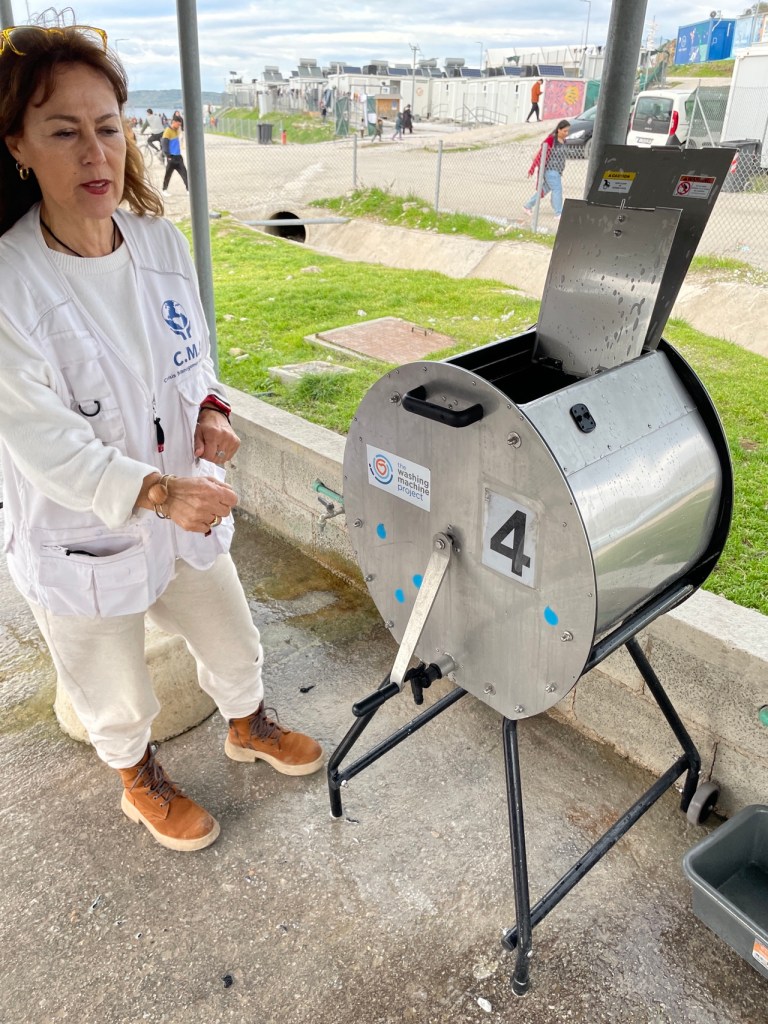
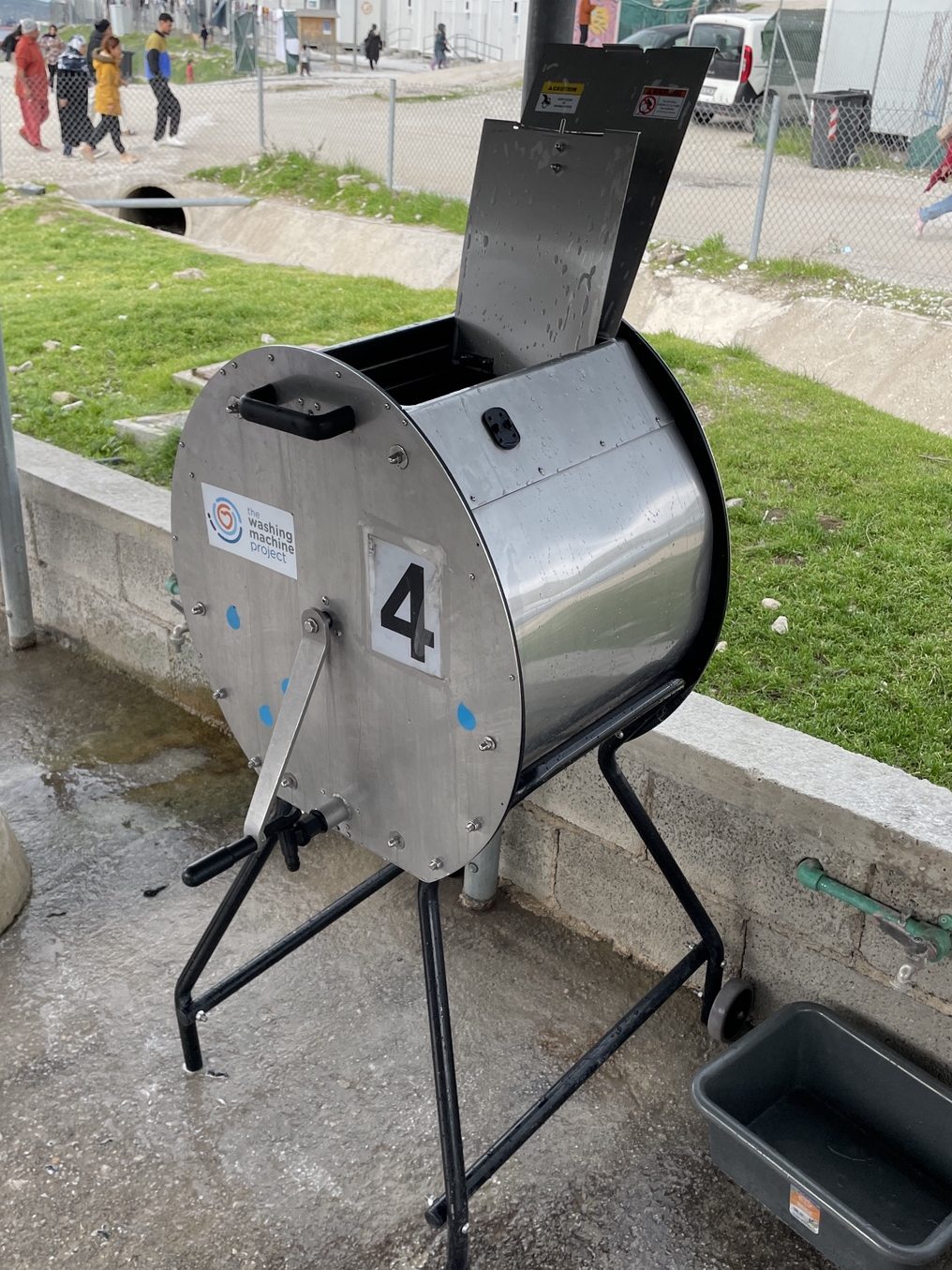
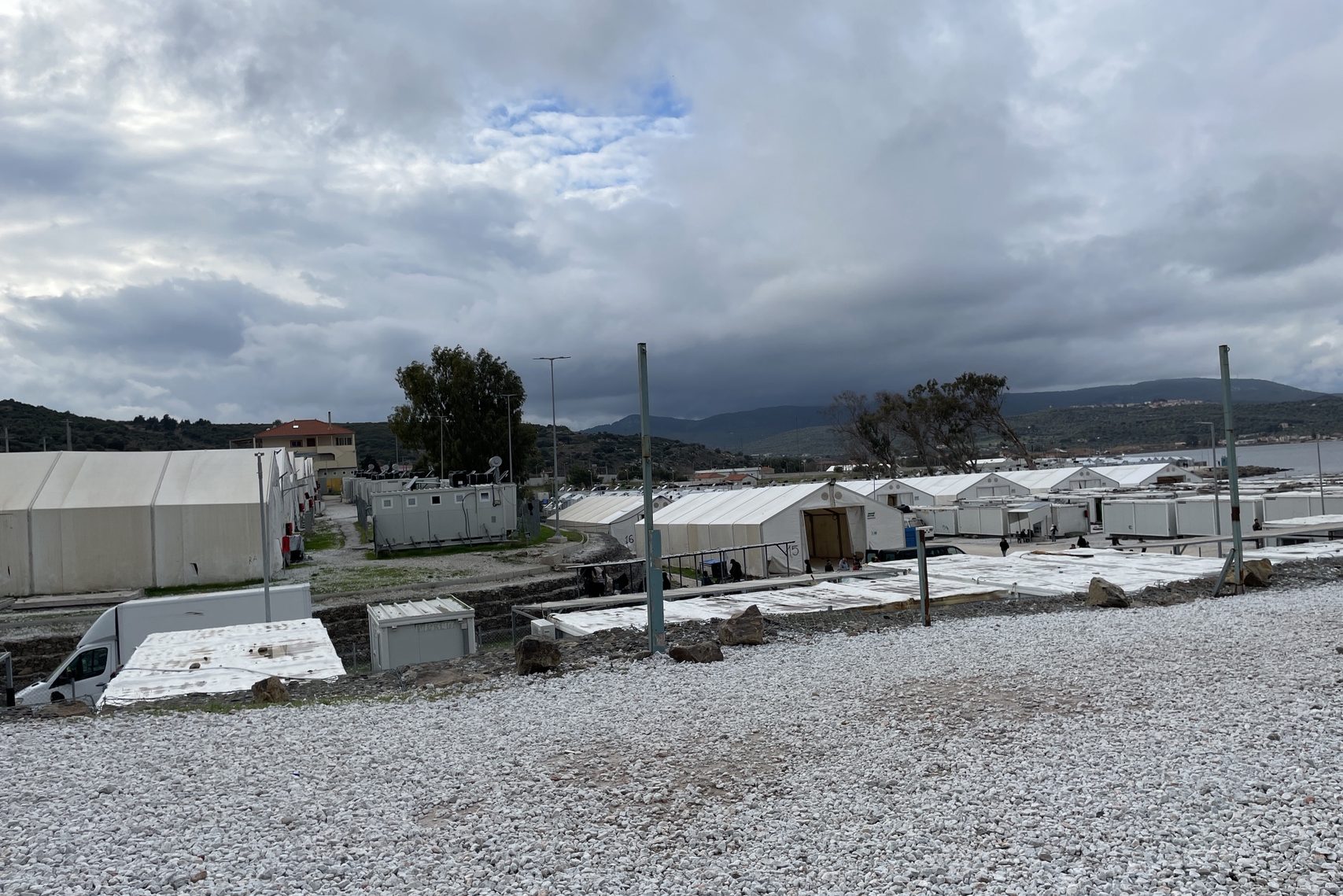
We walked by “Laundry facilities” in the camp. Laundry machines, donated by another NGO, consist of spinning drums cranked by hand. We watched two young men laughing and as they vigorously crank the drums, then wring out pairs of pants by hand. Housing is in ‘containers’ which have a curtain down the middle. A family is housed in each half of the container.
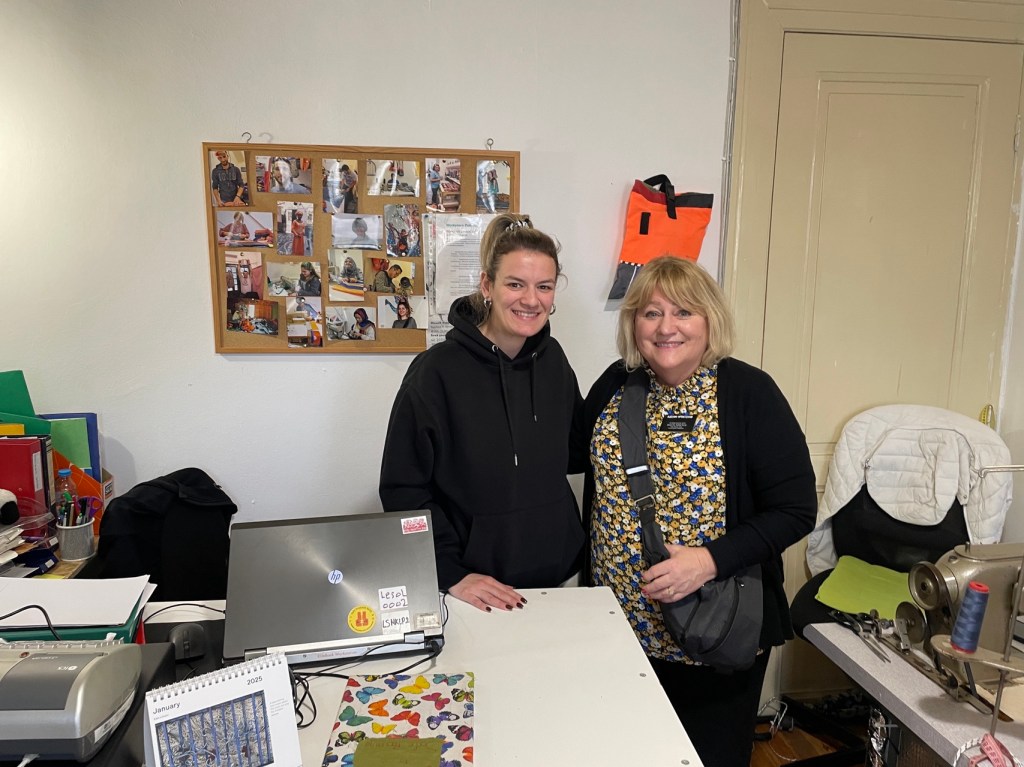
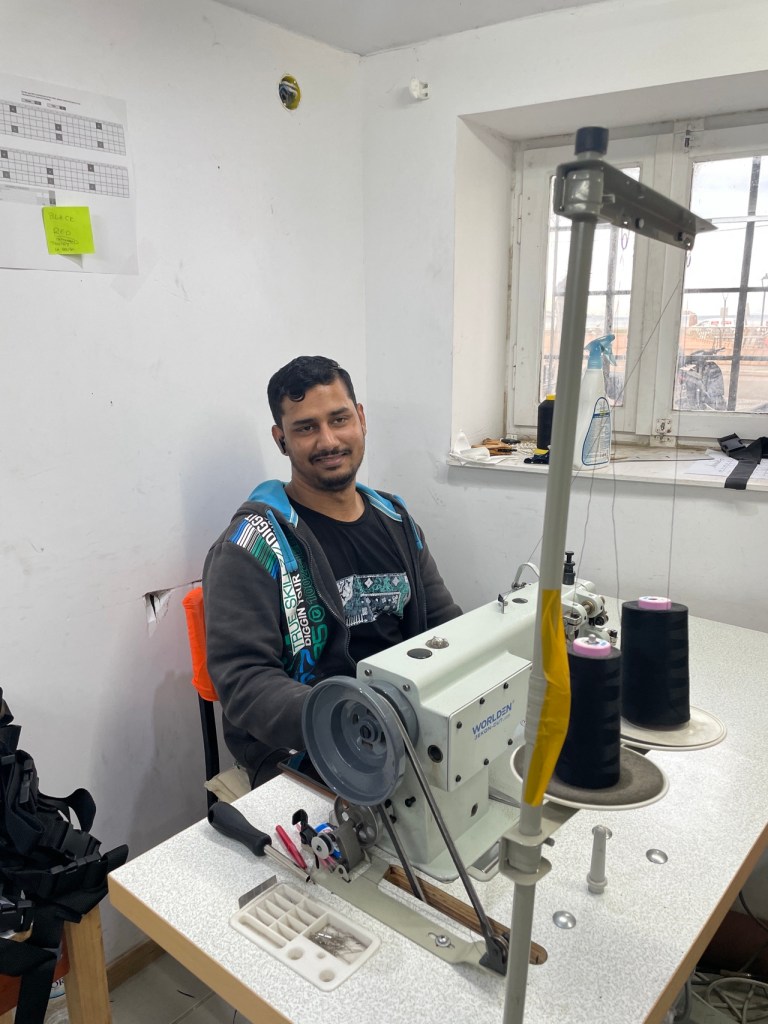
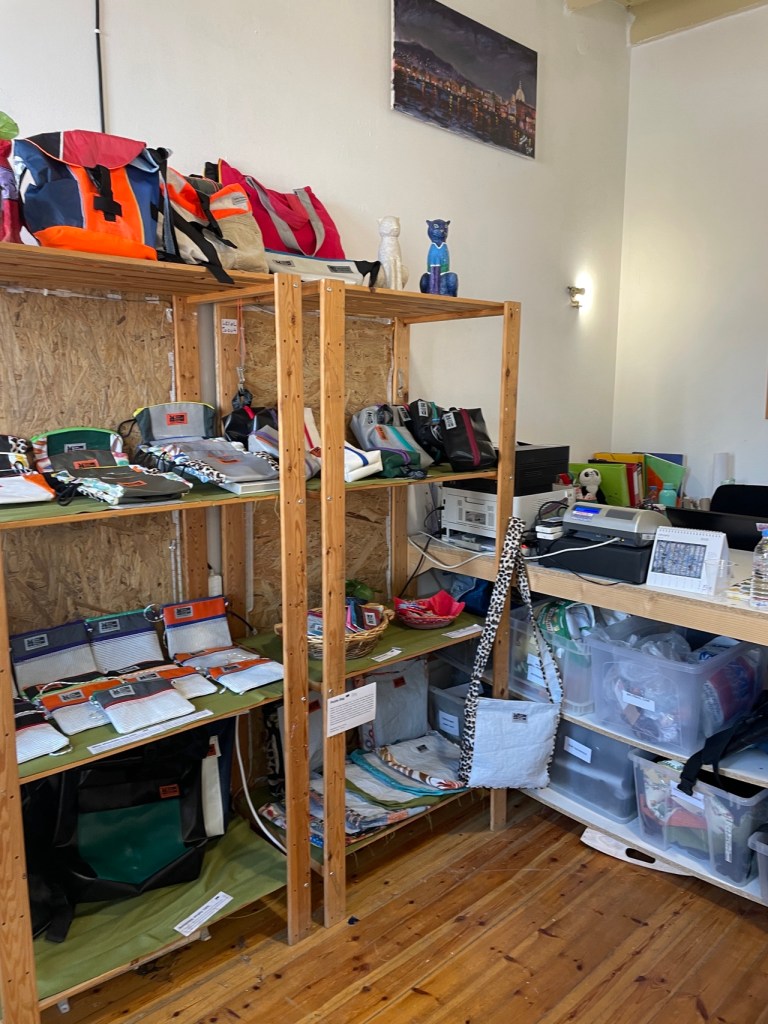
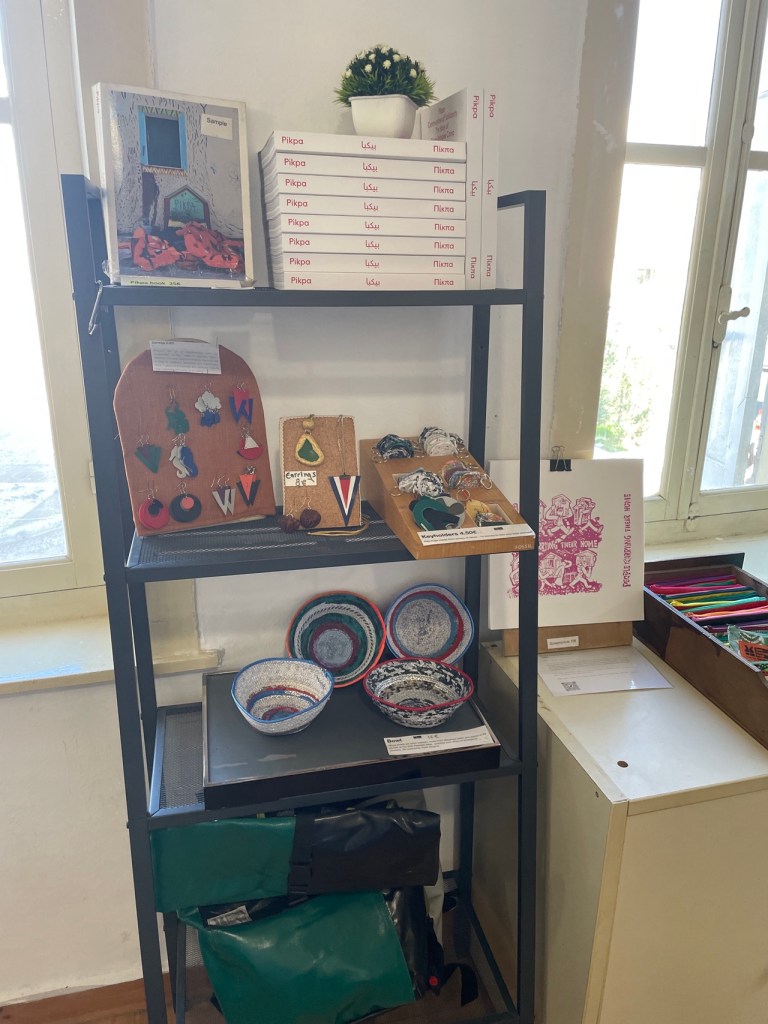
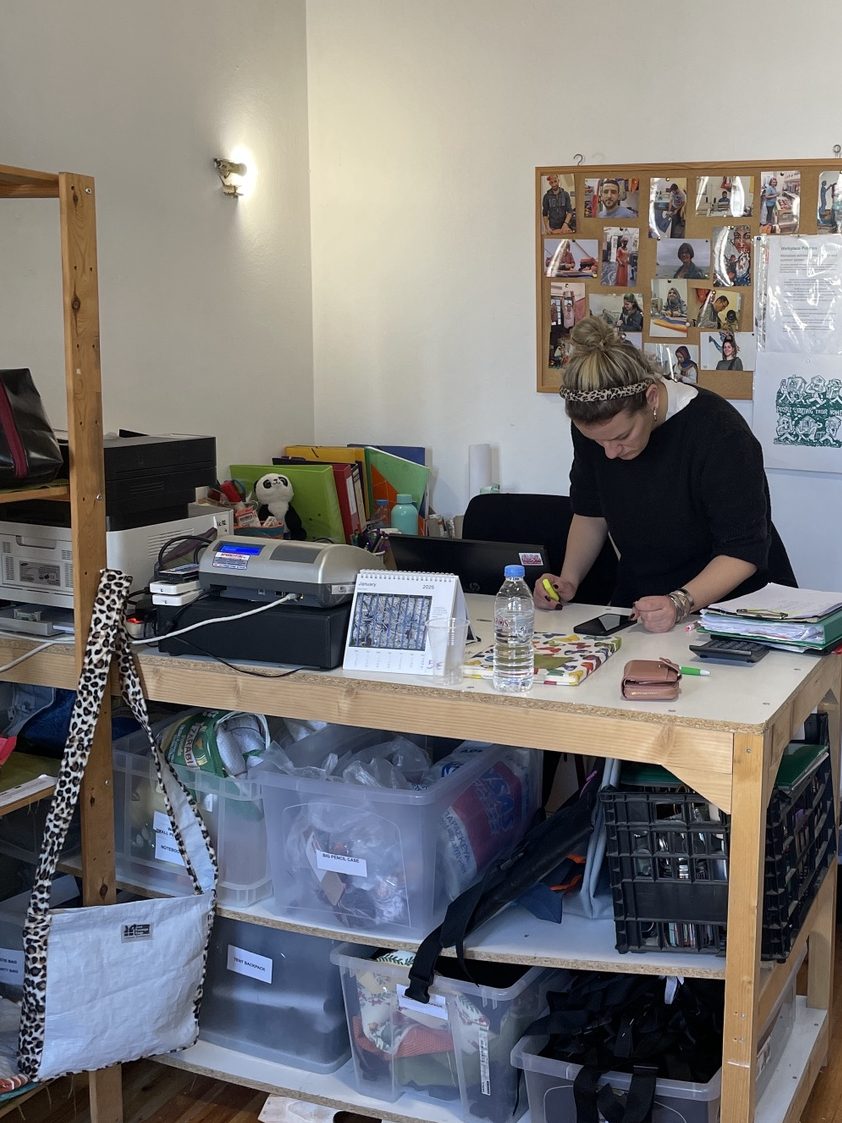
We also visited another organization Catherine found online called “Safe Passage”. They retrieve dinghies, abandoned on the shore and used life vests and rope. They take these materials back to their shop and they clean them and make them into earrings, pencil cases, back packs, coasters, bowls, etc. We went to their shop and purchased a large amount of items to bring home to our grandchildren. We want to tell them the stories of the people who have left their countries because of war and oppression and for their safety. They have brought their children to another land where they don’t speak the language or know the culture. They struggle when they get to Greece too. Greece takes their passports and they have to apply for Asylum. Some of them wait for months or years and some are turned down. Then they receive no help. Some do get Asylum and can move to another country in Europe or stay in Greece. It is a very hard life and a life that is hard for us to imagine. We want our grandchildren to know of how blessed they are when they use that pencil case or wear those earrings made out of a broken dingy left on a shore in Lesvos, Greece.
One thing we have learned from our mission is that we are very blessed in America. We have freedoms that a lot of the world do not have. We need to be mindful of others and do all we can to serve those who are in need.
Catherine compared this with conditions back in the United States; children and adults that have never known a day of hunger or wondered where and when the next meal would come from. Children, teenagers and many adults are no happier at home in the Unites States in all of our opulence than the children squealing with laughter among the trailers and container houses in a refugee camp. Children in the simplest of circumstance. Adversity and trial bring strength. Hardship is an integral part of His plan.
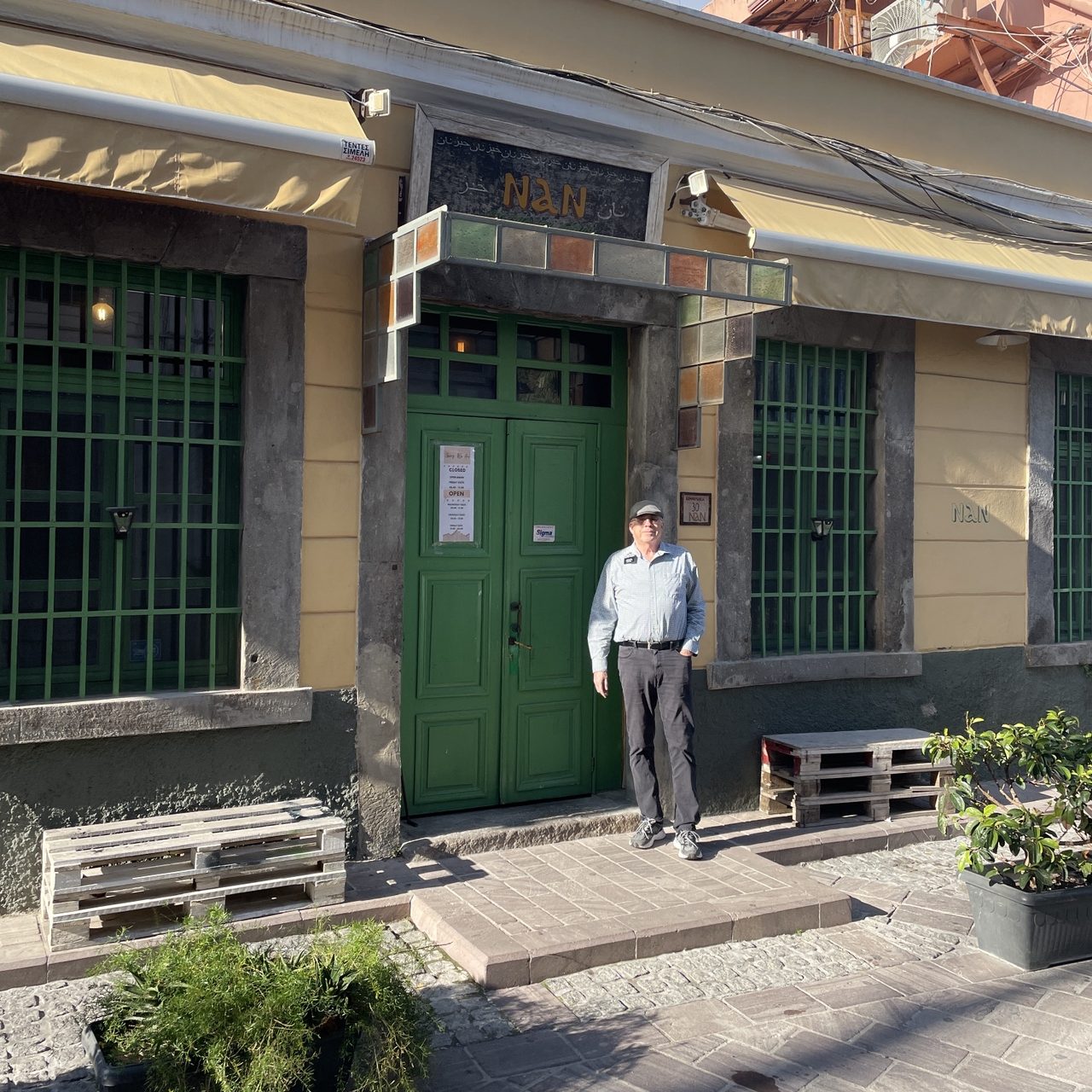
Before leaving the island, we bore testimony to Teresa and Efi about the humanitarian work of the church, that funds for humanitarian work come from all aspects of life. From the richest of businessmen to the tiny child in primary, donating her pennies. We do this because of Jesus Christ. We do this to follow Him.
We are so fortunate to serve in Greece, this beautiful 2nd world country with such a rich gospel history. We love reading Acts and knowing the places Paul is talking about as he went around preaching the gospel. We have been to many of those places. Greece is in our hearts and we will miss this land and this people when we return home.
 Latter-Day Saints