
From time to time, we here about the humanitarian work done by The Church of Jesus Christ of Latter-day Saints. In conference or in church publications we hear briefly about the amount of money or the number of projects carried out by our church. We also hear critics lament that the church is hoarding money, and we should give it to the poor. It reminds me of the story in John chapter 12; Mary taking an alabaster of expensive oil and pours it on the feet of the Savior. Judas Iscariot complains that a better use would be to sell the oil and give the money to the poor. It isn’t that simple.
As part of my doctoral work, I studied the humanitarian efforts of the western world, and how little impact these efforts had made over the last 50 years. The title of one of the books I researched says much: ‘The White Man’s Burden: Why the West’s Efforts to Aid the Rest Have Done So Much Ill and So Little Good” by William Easterly. Though the book is out of date, almost 20 years old, his main points are valid today. It is hard to help others through humanitarian work. Roads are built which soon fall into disrepair. Wells are dug which fail after a few short months. Much of the aid given makes the recipients all the more dependent and even worse off when the aid stops. Handing out money only fuels this problem.
Most of the aid given by the west is dictated top down. Money and goods are dispensed by what we westerners think should be done, with little regard for cultures and customs of the people receiving the aid. Giving aid or help in any form requires intense thought and care in how that aid will be received and interpreted by the recipient culture and society. We are all about aid which fosters long term independence and self-reliance. Money alone does not help. Look at the amount of of money poured into the United States welfare system, creating generations of dependents. The U.S. welfare program destroys families and punishes those who try to work their way to independence.
Large foundations and other organizations, when dispensing aid, usually approach a community and dictate the aid they are going to provide. They tell the country or community what they think they need, what service or goods they are going to provide, and what they should do to fix their problems. Any aid given which does not understand and respect local cultures, and which is not aimed at developing self-reliance in the long term is doomed to failure.
The churches approach is not to dictate what we are going to do for you, but “what do you need?”, “How can we help you with these problems”. The church advances slowly into a new region or a new type of aid, relying on the expertise of those organizations already entrenched in the local population. Rather than becoming just another organization in the fray, we learn from those experienced in aid to the region, and consult with local leaders as to what we can do as a church to help them help themselves.
In the past, the church has provided aid through Latter Day Saint charities. The name of the Church was not used. Missionaries wore special tags that did not have the name of the church on them. Late last year, the humanitarian missionaries here in Greece hosted an NGO appreciation event, with catering and gift bags for those in attendance. As we visit the various NGO representatives, many of them mention the appreciation event, and were surprised that we are a church. They assumed we were just another small philanthropic foundation. That has changed. Though we were given such tags in the MTC, we were told soon after that we should wear our missionary tags. We use the name of church and introduce ourselves as missionaries for the church with everyone we meet.
Sometimes this backfires. Recently, a large donation was rejected by an organization in Eastern Europe because those working in their philanthropic wing threatened to quit rather than accept funds from the Mormons. We are not after the honor or the publicity, but people should know in an open, honest manner what our church is doing in the world.
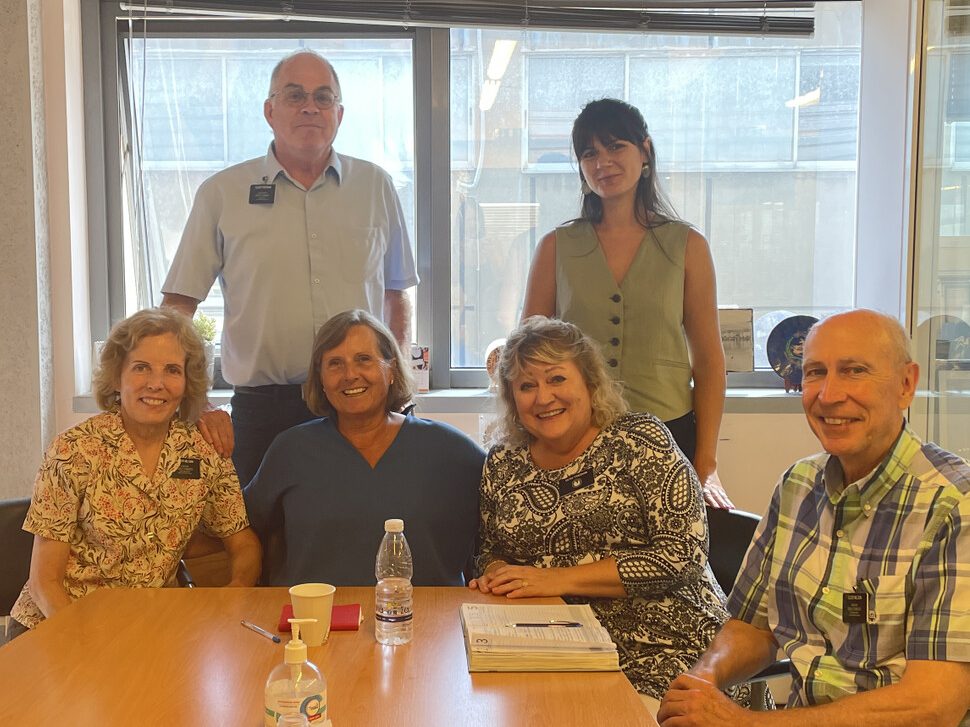
We recently met with Laura Papa, the founder of a local charitable organization, METAdrasi. She rejected many offers from foundations and other organizations because there were too many strings attached to the funding. These organizations dictated to her what she needed to do to help the refugee women and children in her care, but it was not what they really needed. She would forgo funding rather than provide the wrong type of help. Her focus is to help refugee women rise above their circumstance and learn to provide for themselves and their children.
We have been in Greece two months, and have met many other wonderful people who have dedicated their lives to the assistance of the poor and needy.


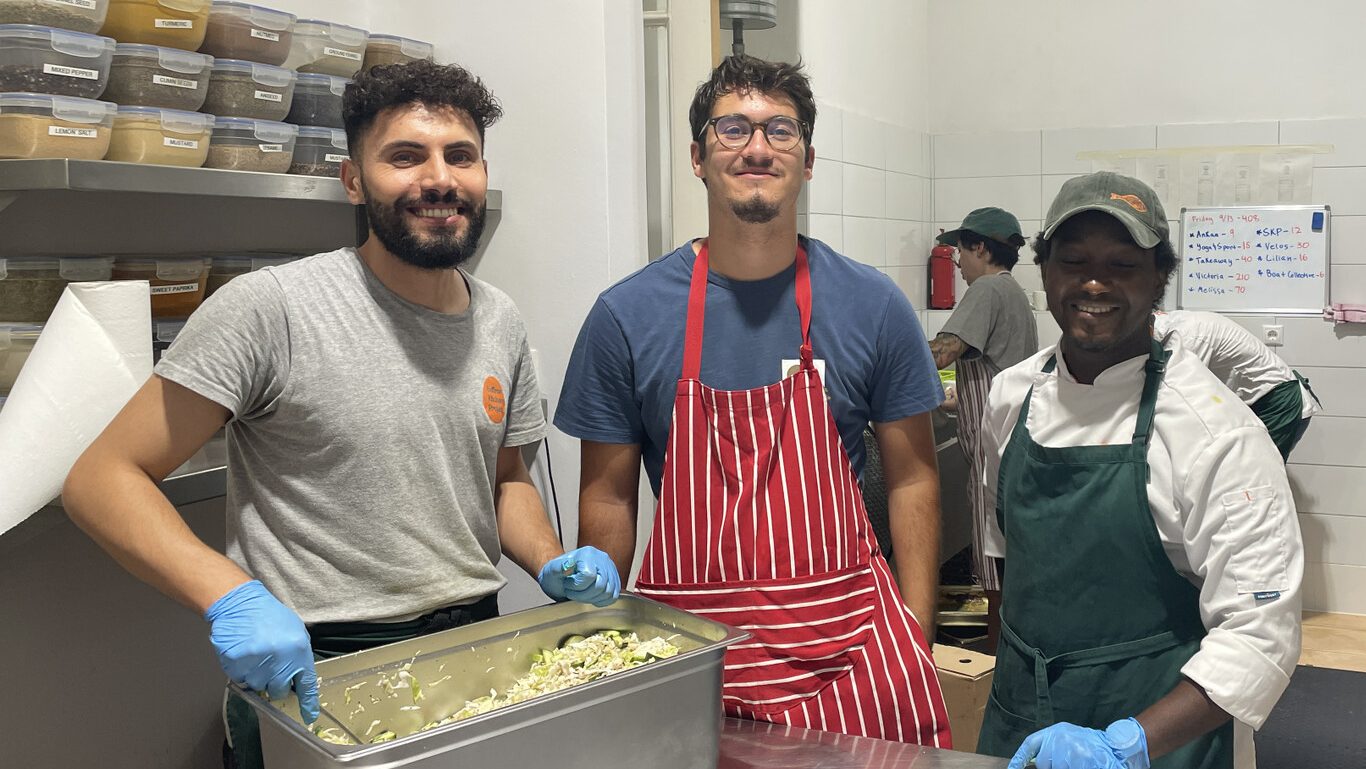
Saffron Kitchen operates in down town Athens, providing thousands of meals for refugees, homeless and other vulnerable people in the city center. They work through dozens of other organizations to distribute meals. Each time we visit their facility, we are overwhelmed by the energy and commitment they exude. They not only feed those who have no idea where the next meal is coming, but they foster independence and self-reliance by hiring and teaching refugees how to cook.


The Irida women’s center in Thessaloniki focuses on women and their dependent children. Many of these refugee women have experienced untold tragedy and horror as they made their way to Greece. Pregnant, destitute, children in their care, the center provides a safe haven where they can heal and receive social and legal counseling.


Ithaca Laundry takes a mobile laundry van to various places in Athens to wash clothes of refugees, homeless and others who have no way of laundering their clothes. They provide counseling as well as people wait for their laundry. There focus is again on self-reliance. Job seekers can now go to an interview with clean clothes. Children to school.
The church has provided medical equipment for several municipal clinics in Thessaloniki and Larissa, as well as a clinic run by Médecins du Monde – Greece (Doctors of the World) in Athens.


One dentist spends two day a week at the clinic providing dental care for refugee children. We love their commitment and their energy.
We asked many of these dedicated individuals what problems they themselves face in this unending work. The response we hear most is “burnout”. Day to day they lift the hands and heal the hearts of those who have passed through unspeakable horror and yet continue to struggle, and in many cases, to thrive.
Many of the people pictured here have little belief or even knowledge of their Savior, but they are directed by His spirit. I pay tribute to these dedicated, caring people who spend their lives in the service of the least fortunate. We are blessed to have met them, work with them, serve as His hands in their support.
The Church of Jesus Christ of Latter-day Saints is working to gather Israel, both spiritually as well as physically. We are humbled to be the Lord’s hands in Greece. His work rolls forward with each step we take. Each small gesture for good. Each penny donated by a primary child. Each humble prayer that ascends to heaven. A phrase by one of the wonderful senior sister missionaries here in Athens comes to mind. “Who wouldn’t want to be us”. What a joy to be in His service.


One reply on “Humanitarian Work in The Church of Jesus Christ of Latter-day Saints”
What a fantastic update, Tim! I love hearing about the work you two are doing
Dave
LikeLike